
Custom Card Printing Guides
Card Printing MOQ: How to Plan a Profitable First Order
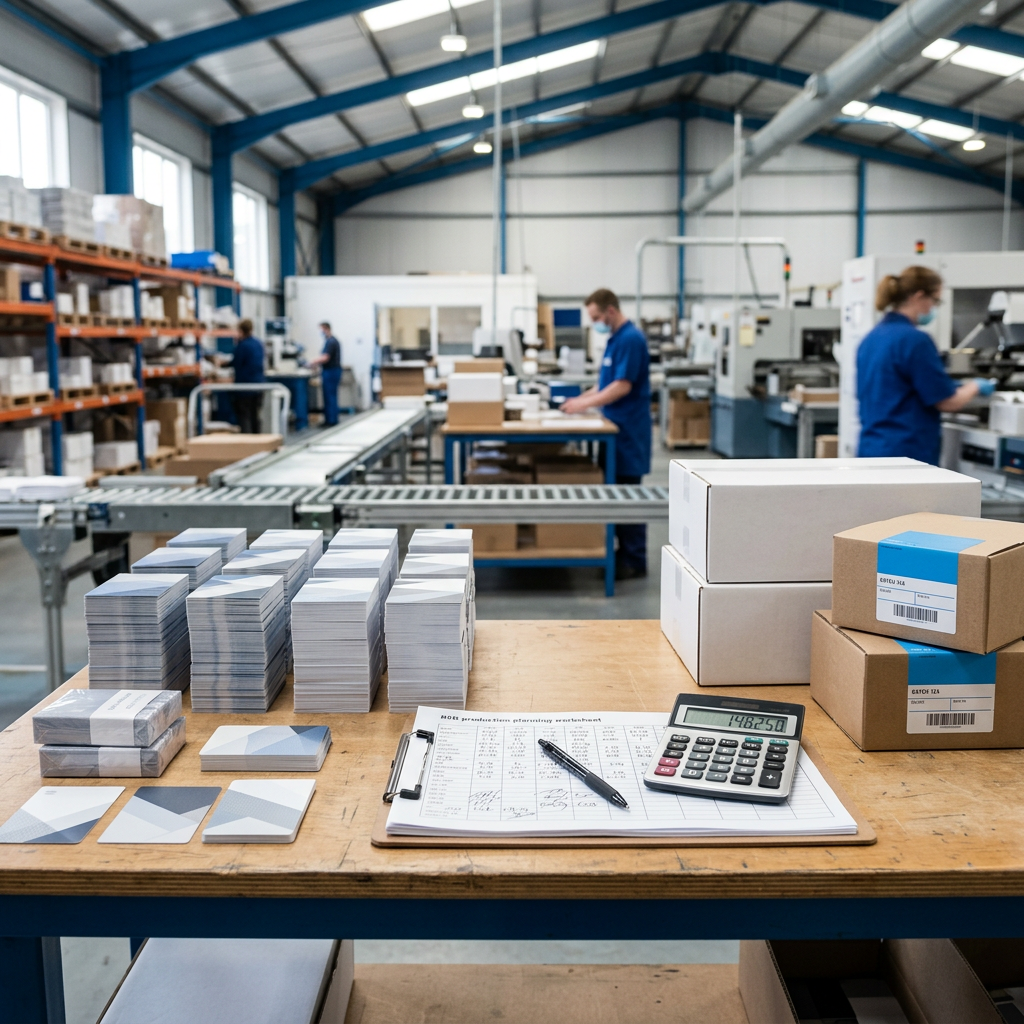
Table of Contents
- What Card Printing MOQ Means
- Why Card Printing MOQ Varies by Project
- How to Calculate a Profitable First Order
- Ways to Reduce Inventory Risk
- Plan Sampling, Production, and Quality Control
- Include Packaging and Shipping in the MOQ Plan
- First-Order Checklist for B2B Buyers
- Conclusion: Choose Card Printing MOQ by Total Project Economics
Card printing MOQ affects more than the number of units you buy. It influences unit cost, setup efficiency, inventory risk, packaging, shipping, and the cash required for a first production run. This guide explains how B2B buyers can evaluate MOQ and plan a practical, profitable card order.
What Card Printing MOQ Means
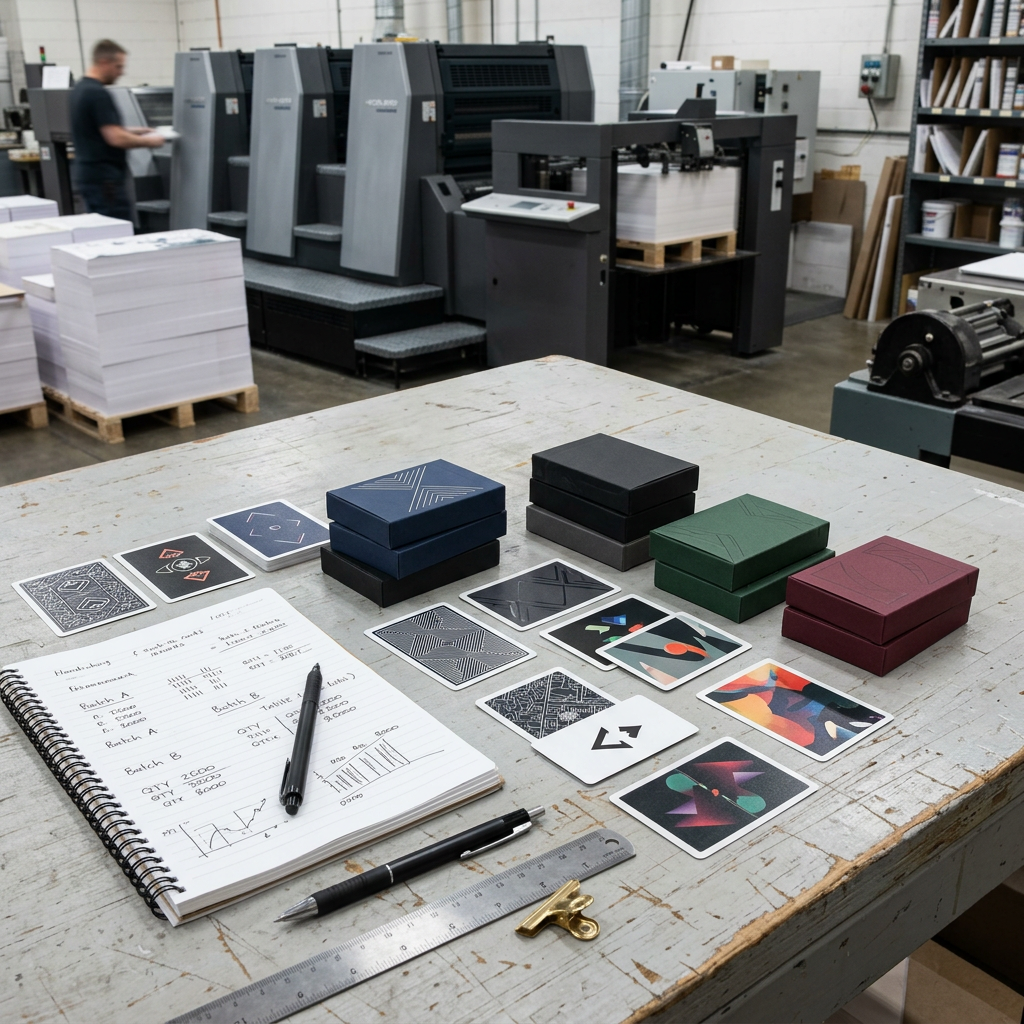
Card printing MOQ means the minimum order quantity a manufacturer accepts for a specific custom card project. It is usually expressed as the number of decks, boxes, sets, or individual cards produced in one order. The applicable MOQ depends on the product specification rather than on quantity alone.
For a B2B buyer, the lowest possible MOQ is not automatically the best choice. A small production run may reduce inventory exposure, but it can also carry a higher unit cost because artwork setup, plate preparation, machine preparation, material purchasing, color adjustment, inspection, and packing are spread across fewer units.
The practical objective is to choose an order size that balances four factors:
- Demand: how many units you can reasonably sell or distribute.
- Cash flow: how much working capital can be committed before revenue is received.
- Unit economics: whether the expected selling price leaves an acceptable margin.
- Operational efficiency: whether the quantity supports efficient printing, finishing, packing, and shipping.
Specifications, MOQ, price, and lead time depend on the card type, size, material, artwork, finish, packaging, order quantity, and shipping destination. Ask the manufacturer to quote your actual specification instead of relying on a general MOQ shown on a product page.
Why Card Printing MOQ Varies by Project
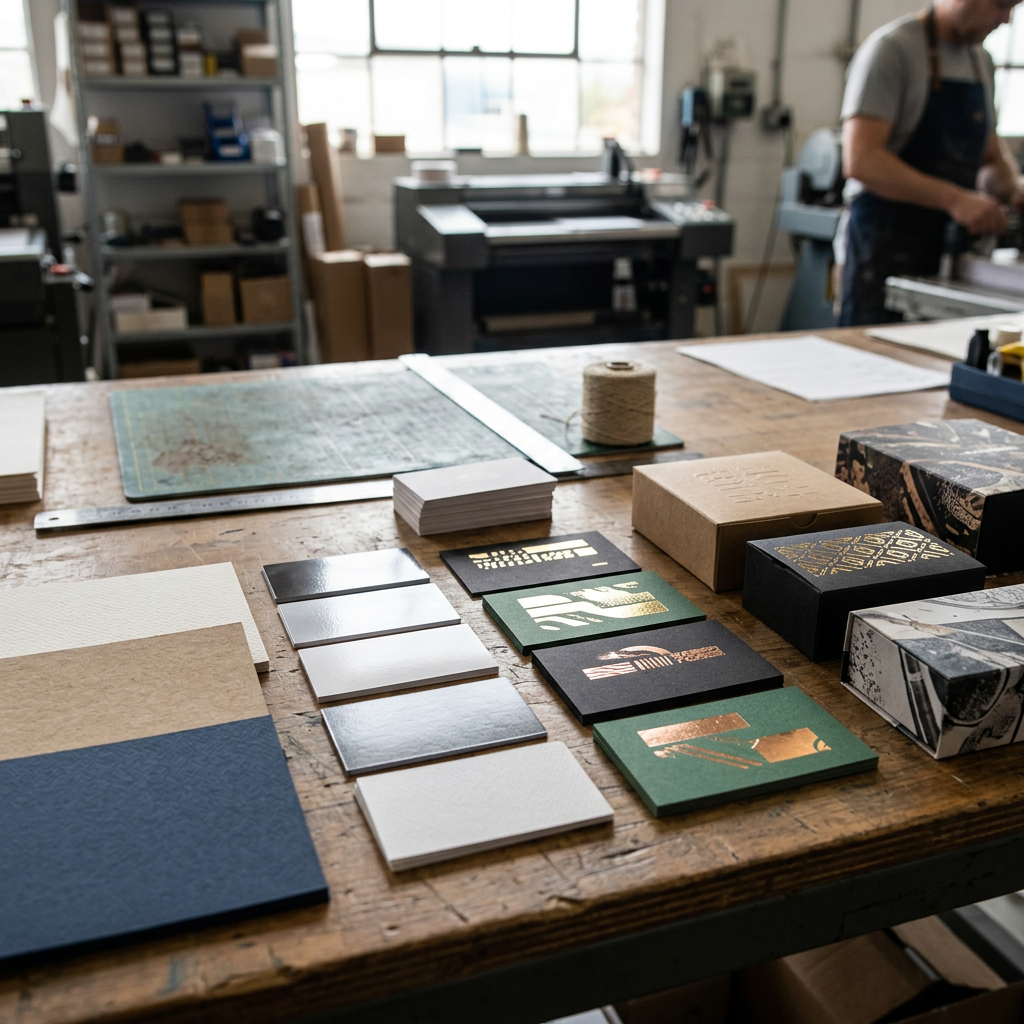
Manufacturers set MOQ according to the resources needed to complete an order consistently. Two card projects with the same finished size may require very different production arrangements.
Card material and construction
Paperboard, coated stock, plastic, specialty stock, and laminated constructions can require different purchasing and processing arrangements. A material that must be sourced or prepared specifically for one project may have a higher practical MOQ than a commonly used stock.
Number of designs and versions
A single design is generally simpler to schedule than multiple versions, languages, colorways, or card fronts. If every version requires separate proofing, setup, sorting, and packing, the supplier may establish an MOQ per version or per design.
Finishes and special processes
Gloss or matte lamination, varnish, foil, embossing, spot effects, rounded corners, edge treatments, and other finishing options can affect setup time and material consumption. Complex finishes do not always require a higher MOQ, but they should be discussed before the quotation is finalized.
Packaging requirements
A tuck box, rigid box, drawer box, tin, shrink wrap, paper band, or custom insert can change the production plan. Custom packaging may have its own material minimum, especially when packaging is printed separately from the cards.
Production schedule and capacity
MOQ can also reflect how a factory groups work on its equipment. The final quantity may be influenced by sheet utilization, cutting layouts, production batches, and the need to maintain consistent quality across the run.
For more detail on coordinating card stock, finishes, and packaging, review this custom playing card materials, finishes, and packaging guide.
How to Calculate a Profitable First Order

A profitable first order starts with a complete cost model, not only the factory unit price. Use the following steps before accepting an MOQ.
1. Estimate realistic demand
Use confirmed purchase orders, distributor forecasts, launch plans, existing customer data, or a conservative sales estimate. Avoid selecting a large MOQ simply because the unit price appears lower. Unsold inventory ties up cash and may become obsolete if the artwork, branding, regulations, or market preference changes.
2. Separate fixed and variable costs
Fixed project costs may include artwork preparation, sampling, tooling, or setup-related charges. Variable costs normally include cards, boxes, inserts, finishing, inspection, export packing, and freight. The exact cost structure differs by manufacturer, so request an itemized quotation where practical.
3. Calculate landed cost
Landed cost is the estimated cost of getting the finished goods to the intended receiving location. A useful planning formula is:
Landed cost per unit = (product cost + setup cost + packaging cost + freight + import-related costs) ÷ sellable units
Import duties, taxes, customs handling, domestic delivery, and payment fees depend on the destination and trade arrangement. Confirm these items with your logistics provider or customs adviser rather than assuming they are included.
4. Check the break-even quantity
Break-even quantity is the number of units that must be sold to recover the total project cost. A simplified formula is:
Break-even quantity = total fixed and order costs ÷ contribution per unit
Contribution per unit is the selling price minus variable selling costs. Include marketplace fees, fulfillment, sales commissions, promotional allowances, and expected returns where relevant.
5. Compare quantity scenarios
Ask the supplier to compare at least two or three quantities, such as a test run, a moderate launch quantity, and a larger replenishment quantity. Review the total cash requirement and projected profit, not just the unit-price difference. A larger order is attractive only when the additional inventory can be sold within a reasonable planning period.
YBJ Cards Printing can review artwork and specifications before bulk production. This helps buyers identify cost-sensitive decisions early, when changes are easier to make.
Ways to Reduce Inventory Risk
When the required MOQ is higher than your immediate sales forecast, reduce risk through planning rather than by removing essential quality requirements.
- Use a pilot quantity: If available for the specification, begin with a smaller commercial run to test demand, artwork, packaging, and customer response.
- Limit unnecessary versions: Launch one core design or reduce the number of colorways until demand is proven.
- Standardize packaging: A standard box or sleeve may be more practical than a highly customized package for the first order.
- Plan staged releases: Ask whether the full order can be packed or shipped in agreed stages, subject to the factory’s production and storage policies.
- Design for replenishment: Keep artwork files, specifications, color references, packaging dielines, and approval records organized so future orders can be repeated accurately.
- Protect against damage: Appropriate inner cartons and export packing help reduce avoidable loss during handling and transport.
Do not assume that splitting a purchase order automatically lowers the manufacturing MOQ. The factory may still need to produce the full batch to achieve efficient setup and material use. Confirm the commercial and logistics conditions in writing.
Plan Sampling, Production, and Quality Control
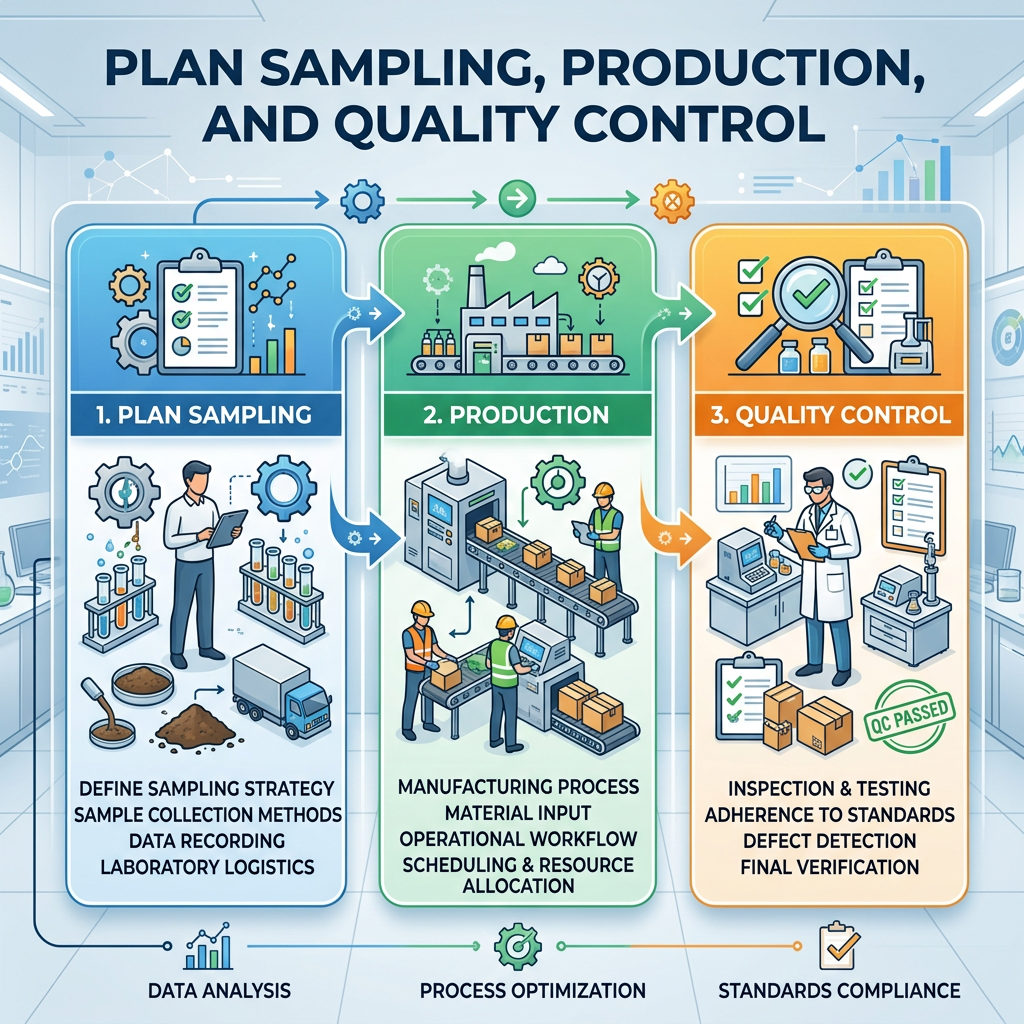
Sampling and bulk production serve different purposes. A sample allows the buyer to check the physical result before committing to the full order. It may be used to review color appearance, card thickness, flexibility, surface feel, edge quality, cutting, registration, packaging fit, and artwork placement.
Before sampling, provide clear files and specifications, including finished size, bleed, safe area, card count, material, finish, box style, insert requirements, quantity, and shipping destination. If the sample is approved with changes, ensure the final approval record reflects the latest artwork and packaging details.
During bulk production, quality control should cover incoming materials, printing, finishing, cutting, collation, packaging, and final quantity checks. A practical inspection plan may include:
- Artwork and version verification
- Color and print registration review
- Card dimensions and corner checks
- Surface, lamination, coating, and foil inspection where applicable
- Collation and counting verification
- Box, insert, barcode, and label checks
- Carton condition and packing quantity confirmation
YBJ Cards Printing describes a seven-stage quality control approach covering key production steps. Buyers should still confirm the inspection criteria, acceptable tolerances, approval points, and treatment of nonconforming goods in the quotation or purchase agreement.
Include Packaging and Shipping in the MOQ Plan
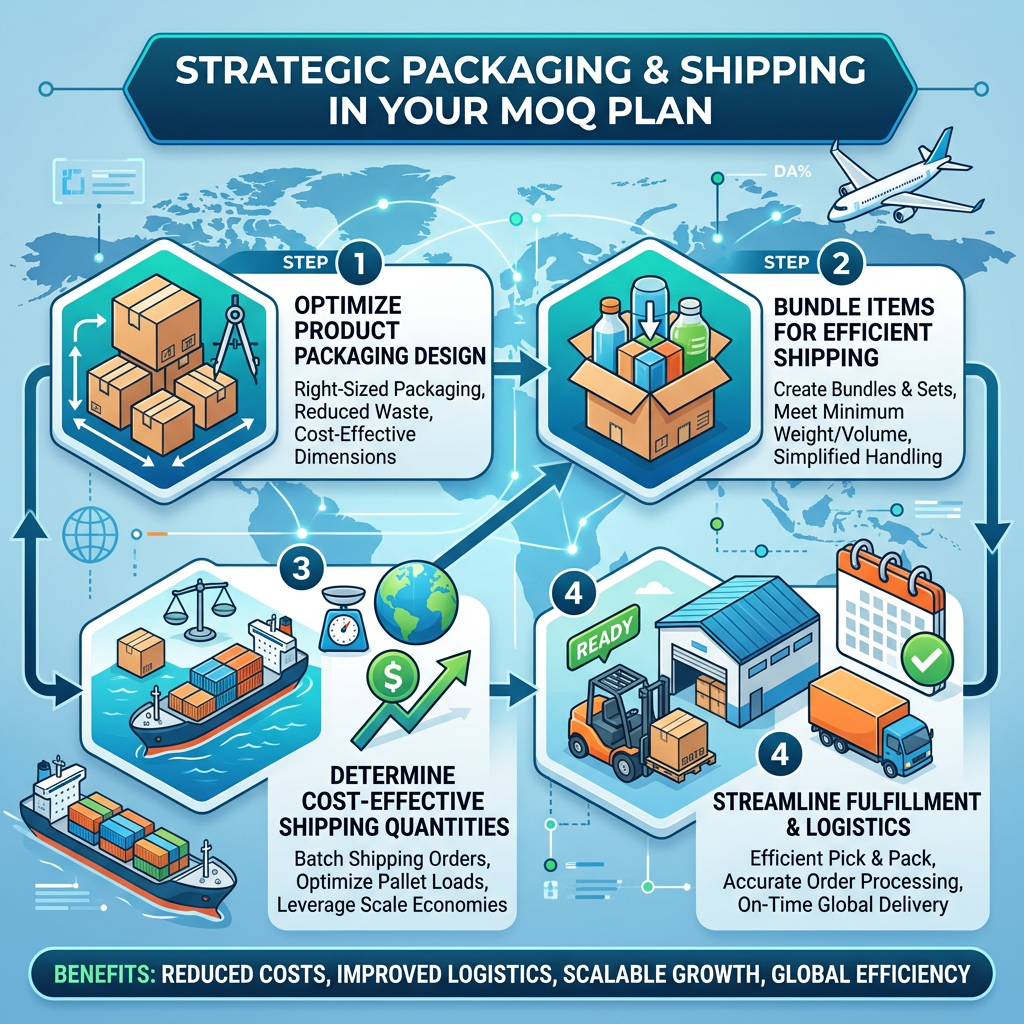
Packaging is part of the product economics, not an afterthought. The selected box or wrap affects material use, assembly labor, carton dimensions, protection, warehouse space, and freight calculation.
Define the packaging specification before comparing MOQs. Record the package type, dimensions, material, printing coverage, finish, insert, sealing method, labeling, barcode requirements, units per inner carton, and cartons per export case. If the cards are sold through retail or distributed to multiple customers, confirm whether packaging must support shelf presentation or parcel fulfillment.
Shipping costs depend on packed volume, gross weight, carton count, destination, transport mode, and agreed trade terms. A lower product MOQ may not produce the lowest delivered cost if small shipments have inefficient freight or handling charges. Request carton dimensions and estimated packed weight when available so your logistics team can compare options.
For international orders, clarify who arranges export documents, freight booking, customs clearance, import duties, taxes, and final delivery. The responsibility depends on the agreed Incoterm and destination. Never treat an online MOQ as a complete delivered-cost quotation.
First-Order Checklist for B2B Buyers
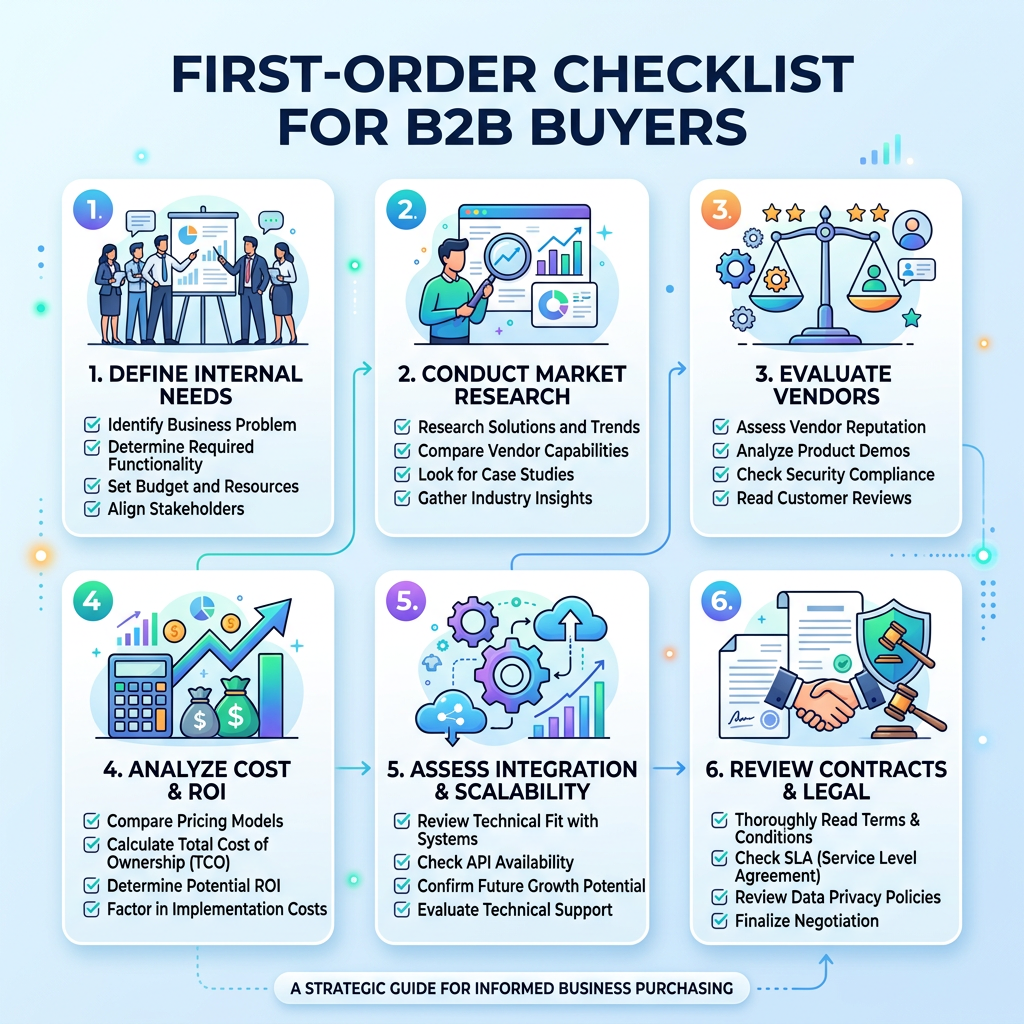
Use this checklist when requesting a card printing MOQ quotation:
- State the card type, intended use, and target market.
- Provide finished size, card count, quantity, and number of designs or versions.
- Specify material, thickness, surface treatment, corners, and special effects.
- Describe the box, sleeve, tin, insert, labeling, and export packing requirements.
- Ask whether MOQ applies per design, per version, per set, or to the total order.
- Request sample options, sample charges, approval requirements, and whether the sample cost is treated separately from bulk production.
- Request quantity-based pricing for realistic order scenarios.
- Confirm production tolerances, quality checks, replacement policy, and approval records.
- Ask for estimated packed dimensions and shipping information for your destination.
- Confirm payment terms, production start conditions, shipping responsibility, and required documents.
A complete request allows the manufacturer to recommend a suitable production route instead of giving a generic MOQ. It also gives your purchasing, sales, finance, and logistics teams the same commercial reference.
Conclusion: Choose Card Printing MOQ by Total Project Economics
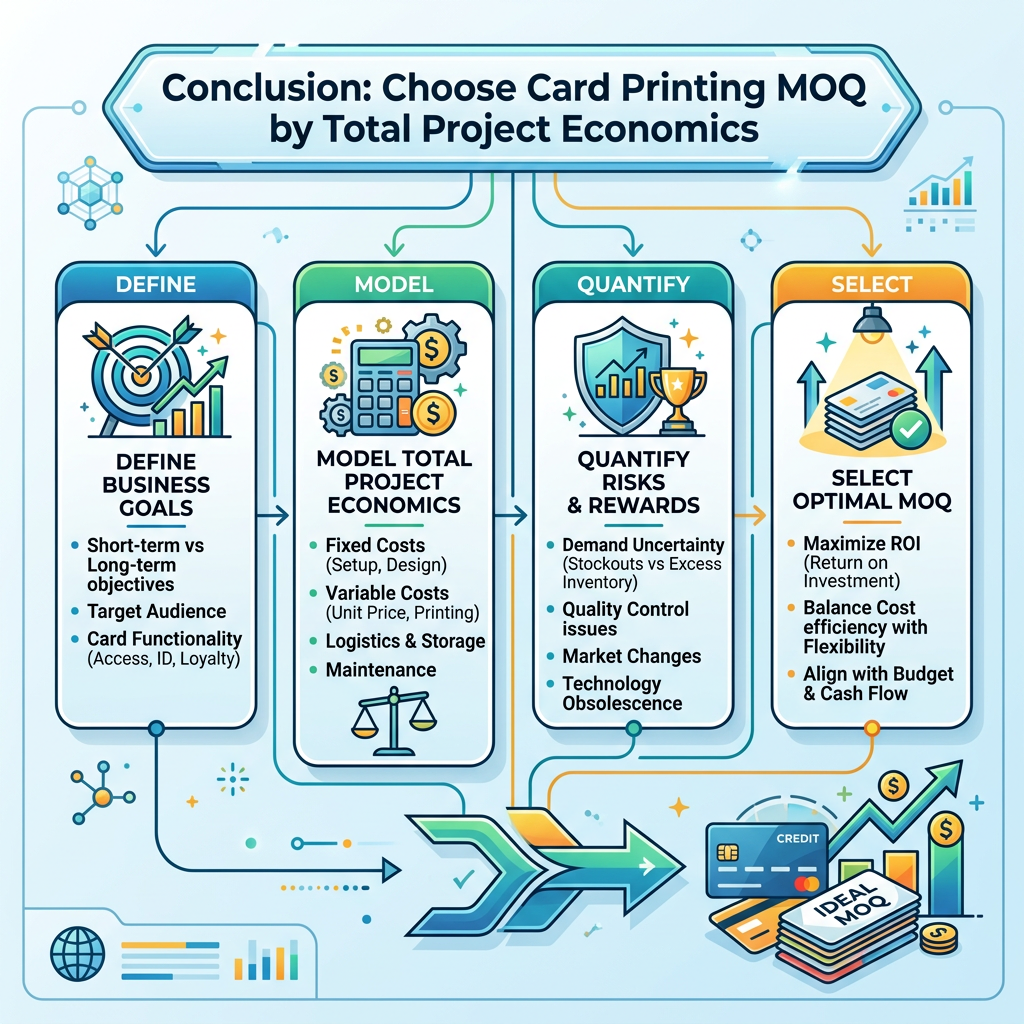
The right card printing MOQ is the quantity that supports reliable production while keeping inventory, cash flow, and delivered cost under control. Evaluate demand, setup allocation, material and finishing choices, packaging, freight, break-even quantity, and replenishment plans together.
A smaller first order may be appropriate for market testing, while a larger order may provide better unit economics when demand is established. The decision should be based on your complete specification and commercial forecast, not on a generic minimum quantity alone. Specifications, MOQ, price, and lead time depend on project requirements.
Request a Project-Specific MOQ Recommendation
Share your card type, size, material, quantity, finish, and packaging requirements with YBJ Cards Printing. Our team can review the specification and provide a tailored recommendation and quotation for your first order.
Tags
Keep Reading
Related Articles
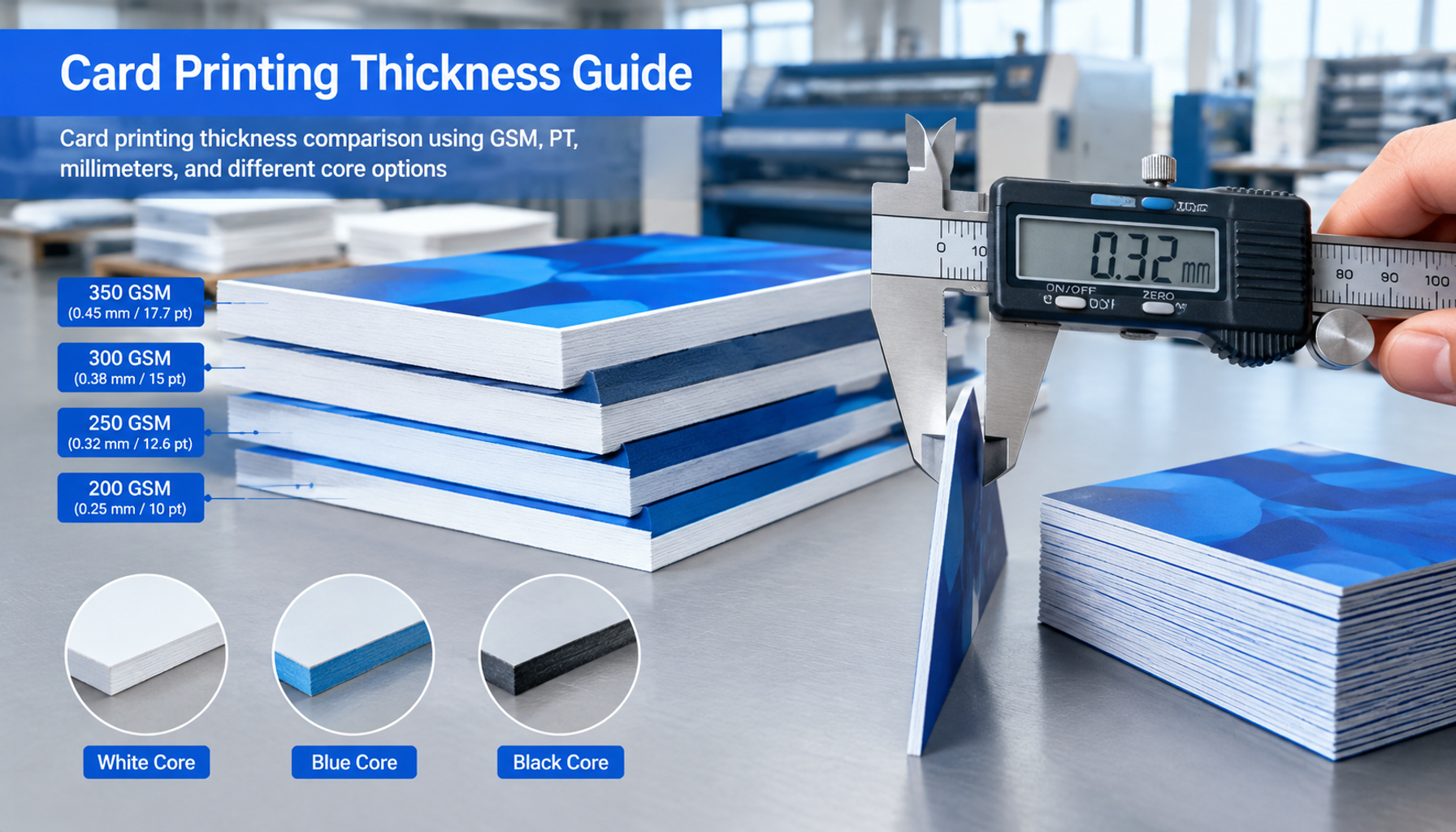
Card Printing Thickness: GSM, PT, and Core Selection Guide
A practical B2B guide to comparing GSM, PT, millimeters, paperboard cores, and plastic constructions when specifying custom cards.
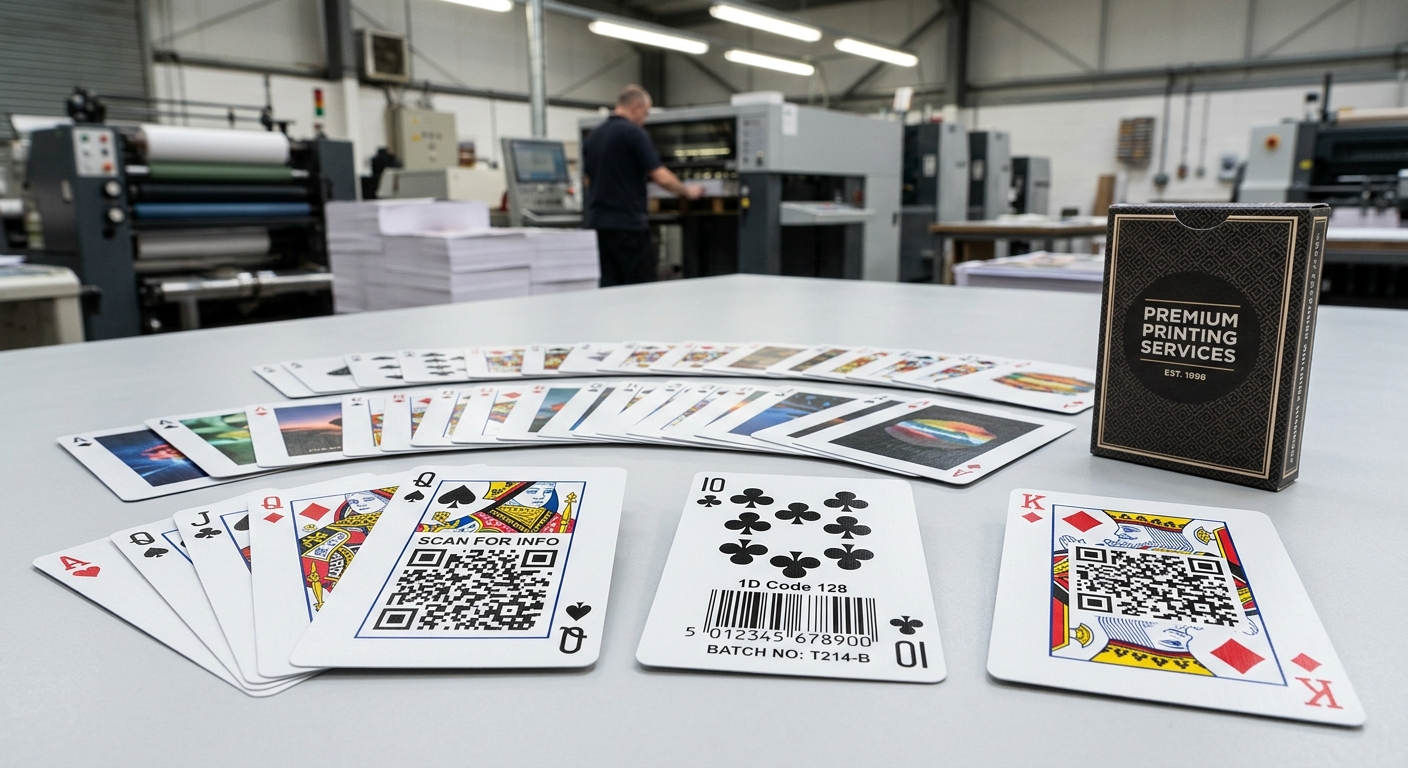
How to Print Custom Cards with QR Codes and Barcodes in a Deck
Printing scannable codes on a custom card deck requires coordination between code generation, database management, artwork preparation, print production, finishing, and scan testing. This practical guide explains how B2B buyers can prepare reliable QR codes and barcodes for static or variable-data card decks.
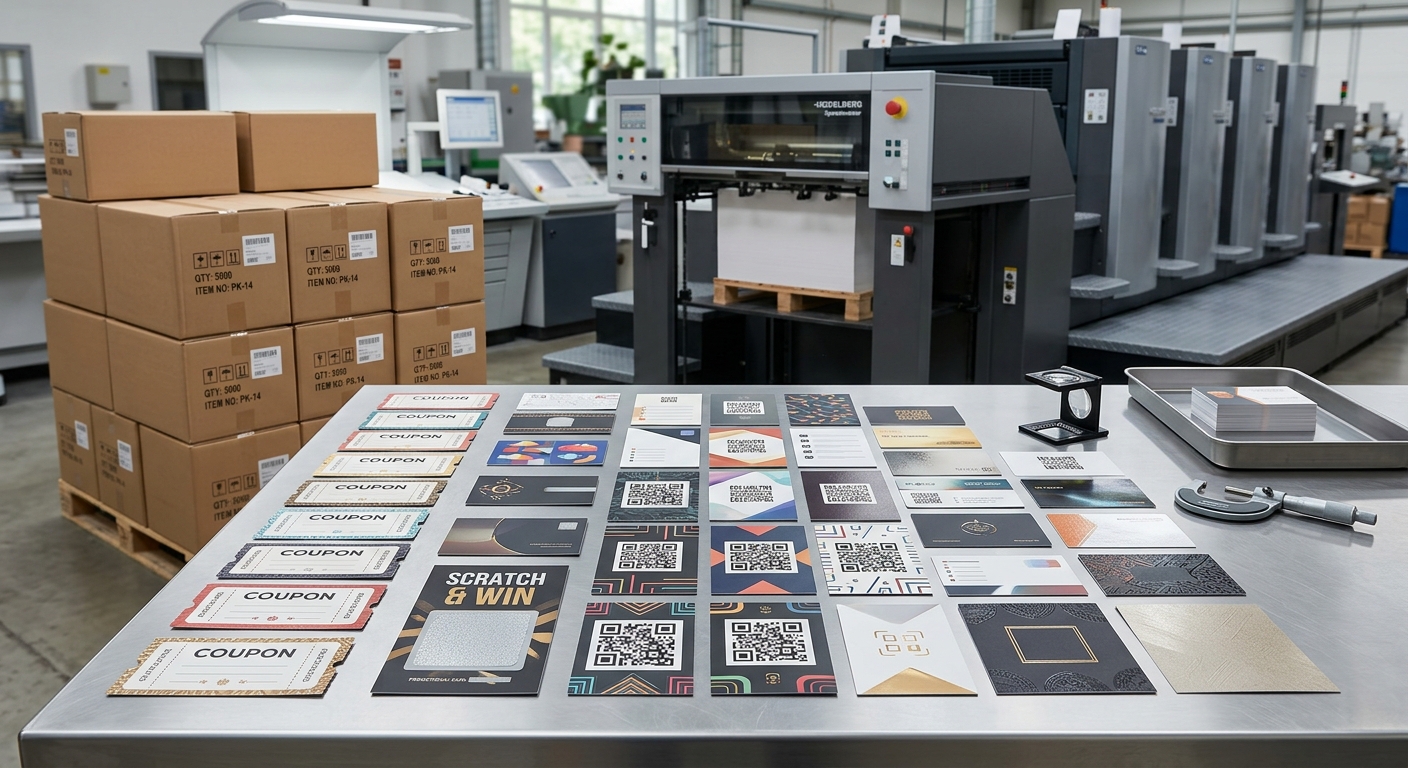
Custom Promotional Card Printing for Marketing Campaigns: Formats and Production Tips
Custom promotional card printing helps brands deliver compact, measurable marketing materials for launches, retail promotions, events, loyalty programs, and direct-mail campaigns. The best result depends on matching the card format, material, finish, artwork, quantity, and packaging to the campaign objective.
Fast Quote Support
Ready to Start Your Custom Card Project?
Send us your product type, size, material, quantity, and packaging requirements. Our team will reply within 24 hours with production suggestions, sampling options, and a competitive quote. No setup fees.