
Custom Card Printing
Custom Playing Card Printing: Materials, Finishes, and Packaging Guide
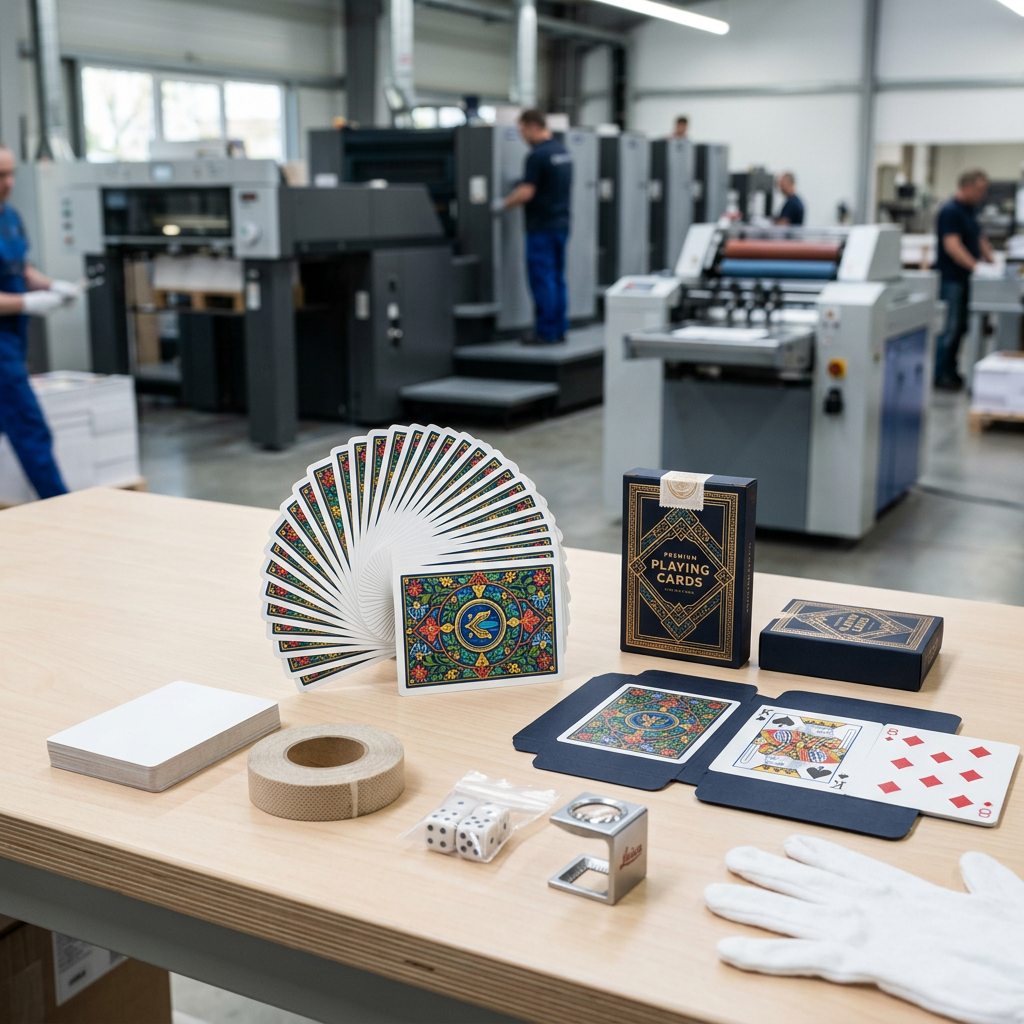
Table of Contents
- What to Decide Before Ordering Custom Playing Cards
- Choosing Materials for Custom Playing Card Printing
- Playing Card Finishes and Their Trade-Offs
- Packaging Options for Custom Card Decks
- Production, Quality Control, and Shipping
- Planning a Successful Custom Playing Card Printing Project
Custom playing card printing requires coordinated decisions about card stock, surface finishes, print quality, packaging, and shipment protection. This guide explains the main options for B2B buyers planning branded decks, promotional cards, educational products, game launches, and retail-ready playing card sets.
What to Decide Before Ordering Custom Playing Cards
Custom playing card printing is the process of producing a card deck to a buyer’s required artwork, size, material, surface treatment, quantity, and packaging format. The best specification depends on how the cards will be used. A promotional deck may prioritize branding and cost control, while a retail game may require stronger packaging, careful color matching, and a more refined handling feel.
Before requesting a quotation, prepare the card size, number of cards per deck, front and back artwork, card stock preference, finish, packaging style, quantity, and destination market. These details affect material selection, sampling, production planning, packing volume, and shipping cost.
YBJ Cards Printing supports artwork review, sampling, bulk production, seven-stage quality control, export packing, and worldwide shipping for global B2B buyers. Specifications, MOQ, price, and lead time depend on project requirements and should be confirmed after reviewing the complete product brief.
For a standard deck project, buyers can review the custom playing poker cards printing option. Projects requiring separate artwork on both sides can also consider custom playing cards front and back printing.
Choosing Materials for Custom Playing Card Printing
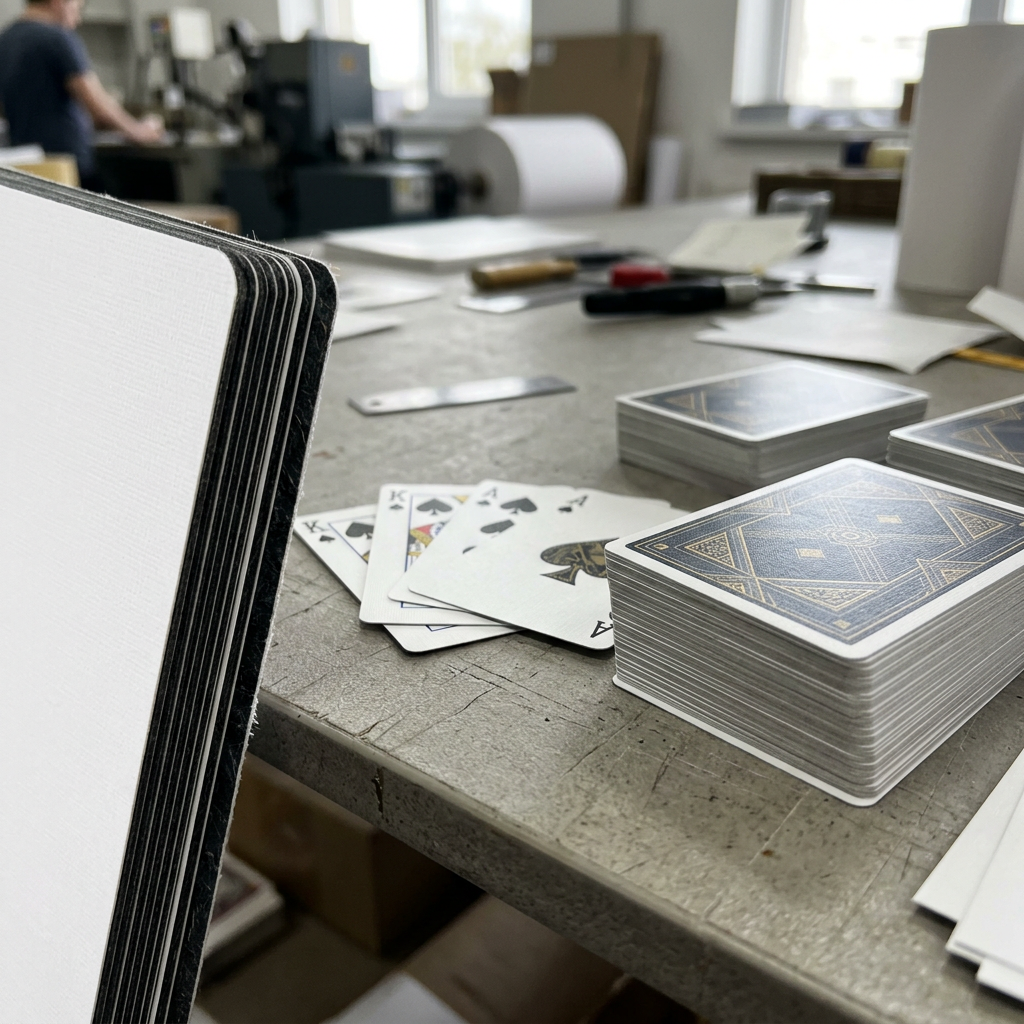
Card stock is the paperboard or laminated structure used to make each playing card. It influences stiffness, opacity, print appearance, durability, and how smoothly a deck handles. Material selection should match the expected frequency of use, target price range, deck thickness, and packaging dimensions.
Paper-based card stock
Paper-based stock is a practical choice for promotional decks, event giveaways, educational cards, and projects where controlled cost is important. It can support full-color printing and a range of coatings. The final result depends on paper weight, layering, coating, and manufacturing control rather than paper weight alone.
Black-core or opaque-core construction
A black-core structure uses a darker internal layer to help reduce light transmission through the card. This can be useful when deck opacity and consistent handling are important. Buyers should request a sample when artwork contains strong contrast, detailed illustrations, or designs that could reveal differences between the front and back.
Blue-core and other layered structures
Layered card constructions may be selected for particular opacity, flexibility, or handling requirements. The appropriate structure depends on the intended application and the supplier’s available production process. Rather than specifying only a material name, provide the intended use and ask for recommended samples.
What buyers should confirm
- Card dimensions and corner radius
- Card thickness or finished deck thickness
- Surface smoothness and opacity requirements
- Expected handling frequency
- Color and image quality expectations
- Compatibility with the selected finish and packaging
Material substitutions should not be made after sample approval without written confirmation, because a change in stock can affect color, stiffness, folding, and the fit of the tuck box.
Playing Card Finishes and Their Trade-Offs
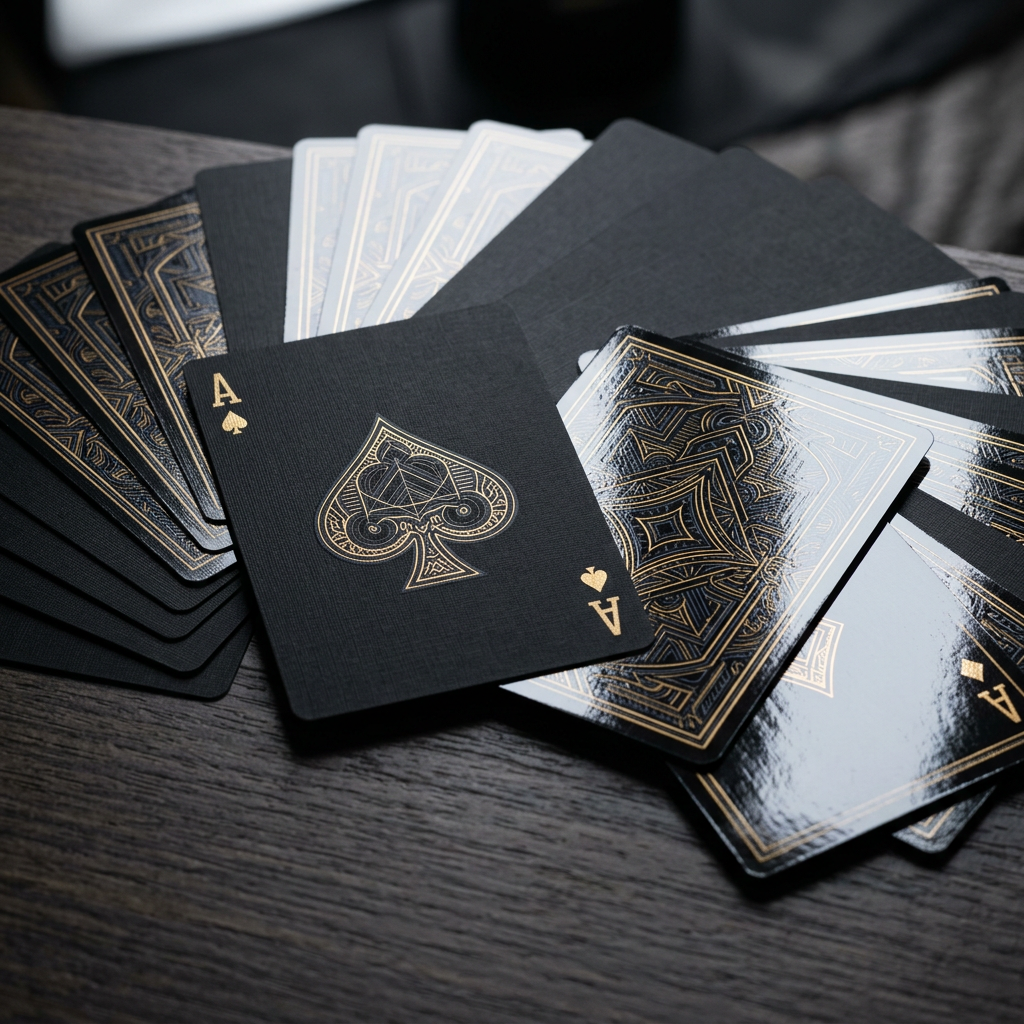
A finish is the final surface treatment applied to printed cards. It affects appearance, touch, friction, resistance to handling, and the way the deck is presented. The right finish should be judged with a physical sample because the same artwork can look and feel different under different coatings.
Gloss coating
Gloss creates a brighter, more reflective appearance and can make saturated colors appear more vivid. It may be suitable for promotional or decorative decks where visual impact is important. However, reflections and visible fingerprints may be considerations for some applications.
Matte coating
Matte produces a lower-reflection surface with a softer visual effect. It can support a premium, understated presentation and may be more comfortable for buyers who prefer less glare. Matte surfaces can also change the perceived depth of dark colors, so artwork should be reviewed with the intended finish in mind.
Varnish and aqueous-style coatings
Varnish or water-based surface treatments can be considered for protection and print presentation. The exact feel and performance depend on the formulation and application process. Buyers should ask whether the treatment is applied overall or selectively.
Special effects and selective treatments
Foil, spot effects, embossing, and other decorative treatments can highlight logos, symbols, or premium design elements. These options usually require additional artwork preparation and may affect production complexity, MOQ, and cost. They should be specified before sampling rather than added after bulk production begins.
For most projects, a useful sample set includes the same artwork printed with two or more candidate finishes. Compare color, glare, fingerprint visibility, shuffle feel, scuff appearance, and compatibility with the chosen box.
Packaging Options for Custom Card Decks
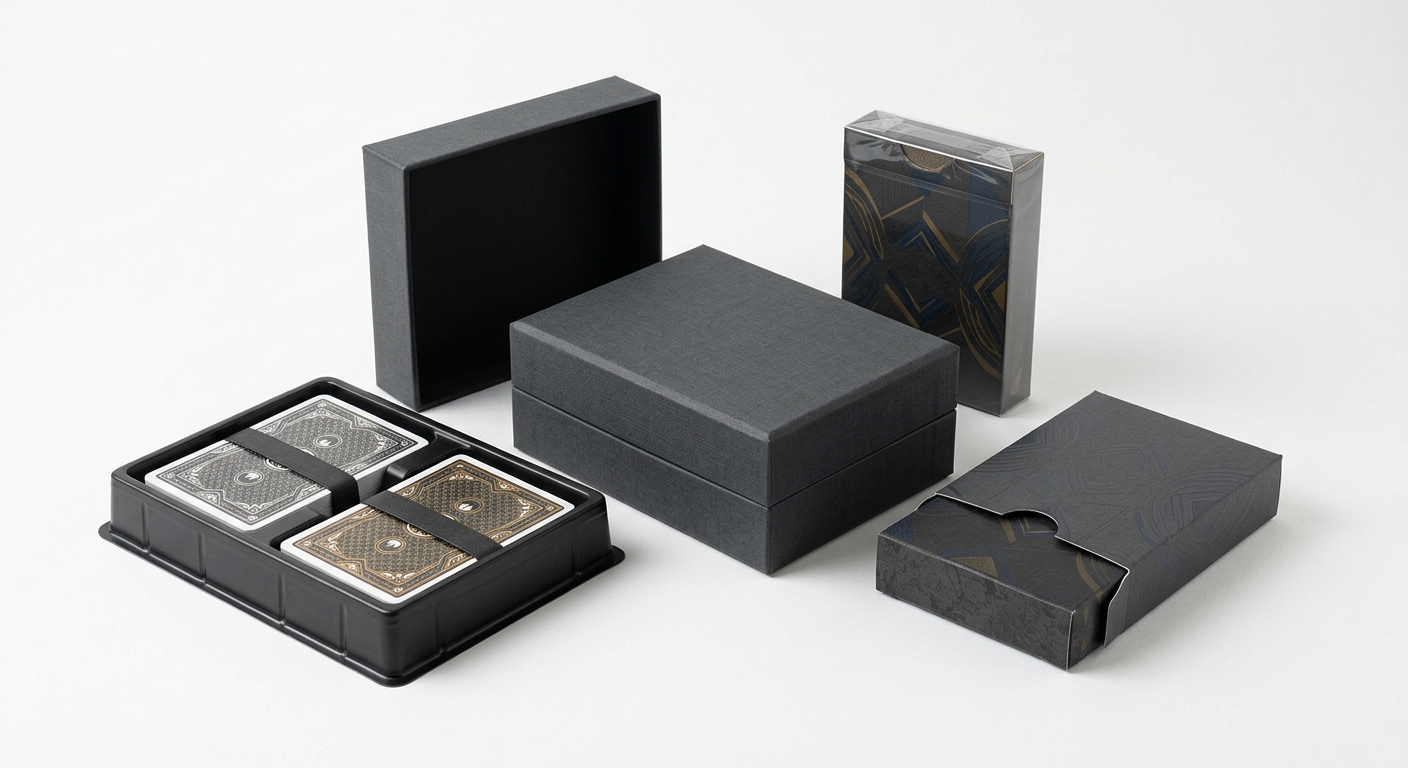
Packaging protects the deck during handling and shipment while also communicating the product’s brand and market position. The packaging format should be selected together with the card thickness, number of cards, finish, and retail or promotional requirements.
Tuck boxes
A tuck box is a folding paperboard carton with closing flaps. It is a common choice for playing card decks because it is compact, printable, and suitable for retail display or event distribution. The box design should allow enough clearance for the finished deck without being so loose that cards move excessively.
Rigid boxes
Rigid boxes use thicker board and provide a more substantial presentation. They may be appropriate for premium game launches, collector products, corporate gifts, or multi-component sets. They usually require more material, storage space, and protective packing than a standard tuck box.
Sleeves, trays, and inserts
A sleeve can add branding or protect a printed box. Internal trays and inserts can organize multiple decks, instruction cards, tokens, or other components. Any insert should be tested with the complete packed product to confirm fit and prevent unnecessary movement.
Export packing considerations
For B2B shipments, confirm the number of decks per inner carton, carton dimensions, outer-carton strength, moisture protection, pallet requirements, and shipping marks. Packaging specifications affect dimensional weight and warehouse handling, so they should be finalized before production packing is approved.
Production, Quality Control, and Shipping

A reliable custom playing card printing project uses a defined workflow from artwork review to shipment. The exact sequence may vary by product, but the following steps help reduce preventable specification and packing issues.
- Submit the product brief. Share card size, quantity, card count, artwork, material preference, finish, box style, accessories, and destination.
- Review artwork and specifications. Confirm bleed, safe areas, color files, image resolution, cutting lines, box dimensions, and any special finishing layers.
- Approve a sample. Use a physical or agreed production sample to evaluate color, opacity, thickness, finish, corner cutting, deck fit, and packaging appearance.
- Confirm the production order. Lock the approved artwork, materials, quantities, packing method, and shipping marks before bulk manufacturing.
- Complete manufacturing and quality control. Checks should address printing, registration, cutting, corner consistency, finish, collation, packaging, and carton condition.
- Prepare export packing and shipment. The packed quantity, carton information, and delivery method should be confirmed for the buyer’s receiving process.
Sampling is especially important when the deck uses dark artwork, fine text, multiple finishes, unusual dimensions, or a rigid box. A sample can reveal issues that are difficult to judge from a digital proof alone.
MOQ, price, and lead time depend on the card construction, finishing complexity, packaging, quantity, and production schedule. Shipping arrangements also depend on destination, carton volume, requested trade terms, and carrier availability. Buyers should request a project-specific quotation rather than relying on a general price or delivery estimate.
Planning a Successful Custom Playing Card Printing Project
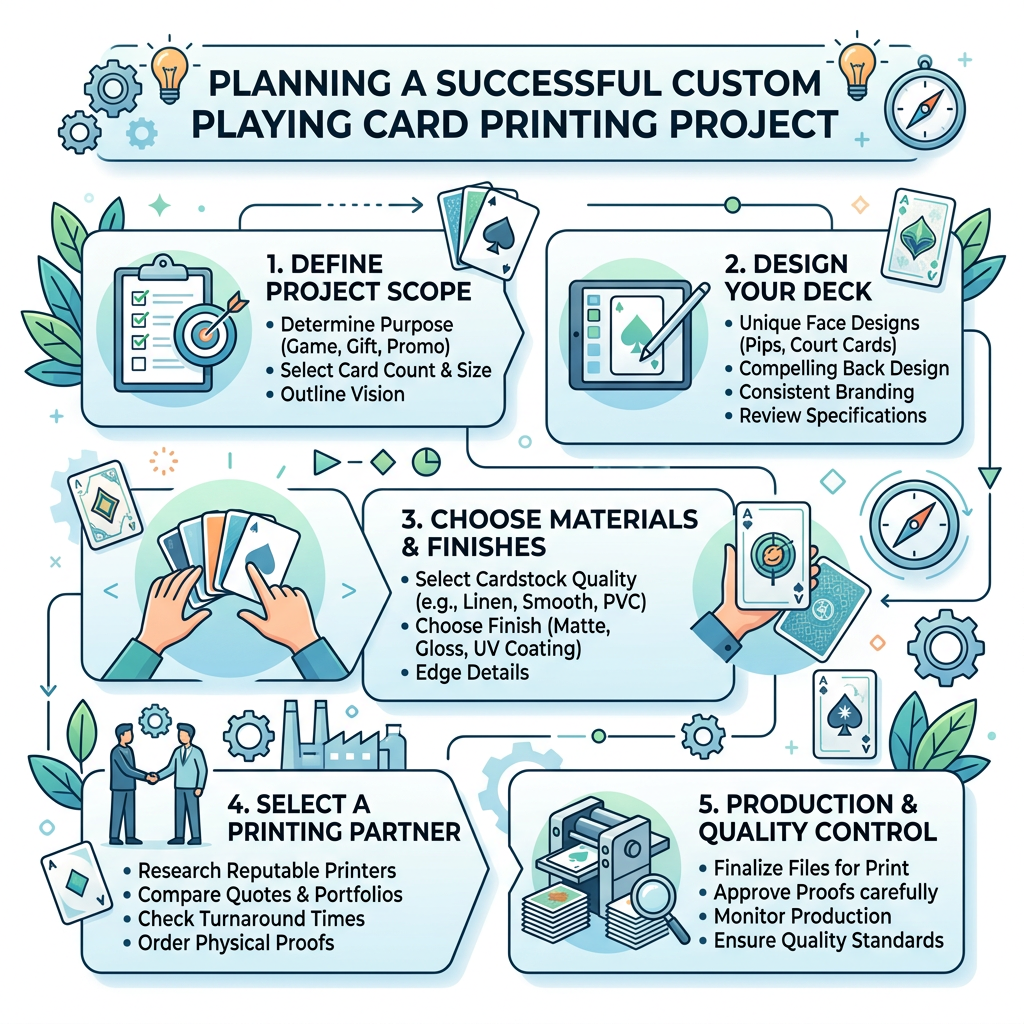
Successful custom playing card printing starts with matching the card material, finish, and packaging to the product’s actual use. A clear specification helps the factory recommend a suitable construction, prepare an accurate sample, plan quality checks, and pack the finished decks for international shipment.
For better purchasing decisions, compare physical samples rather than judging material or finish from images alone. Confirm the approved dimensions, artwork version, deck collation, box fit, carton packing, MOQ, price, and lead time in writing before bulk production. This approach gives buyers a clearer basis for evaluating quality and total project requirements.
Request a Custom Playing Card Printing Recommendation
Share your card type, size, material, quantity, finish, artwork status, and packaging requirements with YBJ Cards Printing. Our team can review the project and provide a tailored recommendation and quotation based on your specifications.
Keep Reading
Related Articles
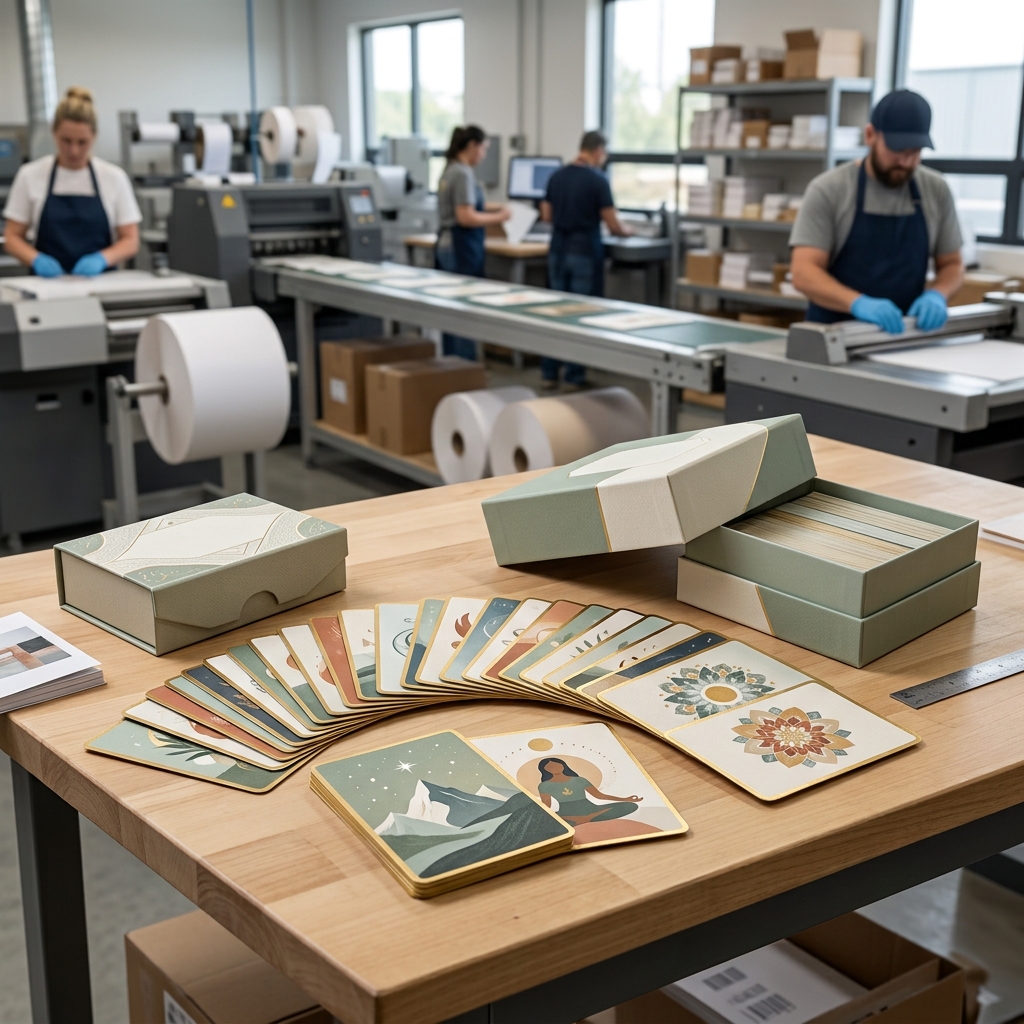
Custom Oracle Card Printing for Wellness Brands: A Practical Production Guide
Custom oracle card printing requires more than attractive artwork. Wellness brands must coordinate card dimensions, stock, finishes, packaging, sampling, quality control, and export shipping before approving bulk production. This guide explains the main decisions and production steps for creating a reliable oracle card deck.
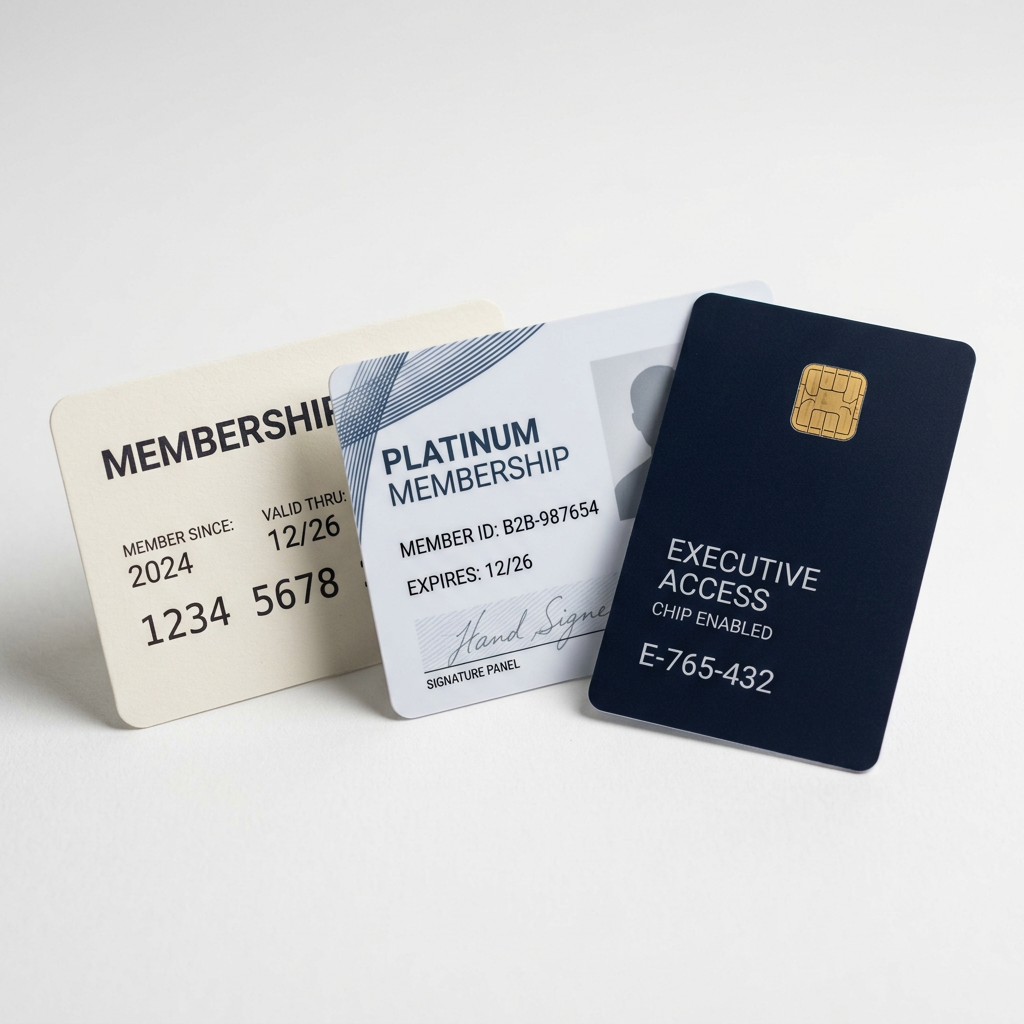
Custom Membership Card Printing: Paper, PVC, and Smart Card Options Compared
The best custom membership card material depends on how members will use the card, how long it must last, whether it needs electronic functions, and how much customization the program requires. Paper cards suit short-term or low-cost promotions, PVC cards provide durable everyday identification, and smart cards support access, payment, or digital data applications. This guide compares the three options and explains how to plan specifications, sampling, production, quality control, packaging, and shipping.
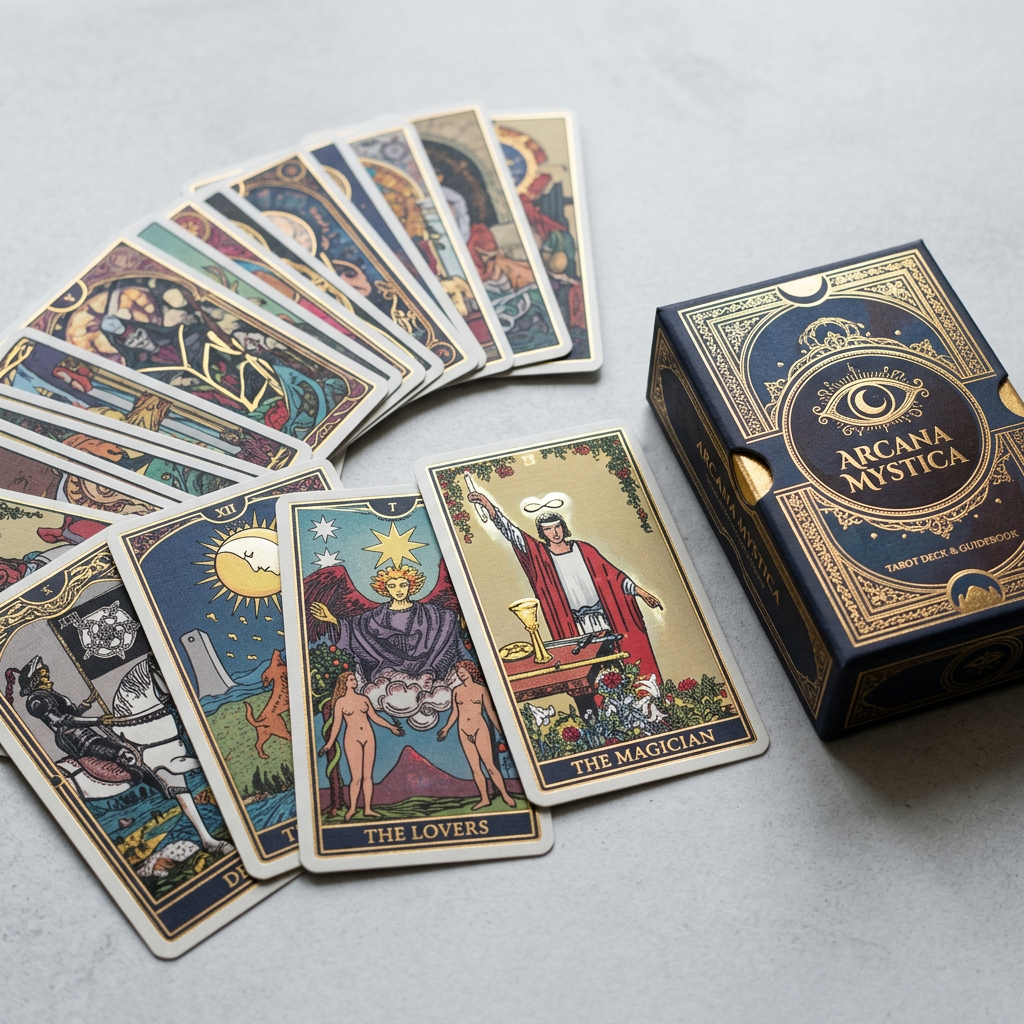
Custom Tarot Card Printing: Deck Specifications, Finishes, and Packaging
Custom tarot card printing requires more than artwork preparation. Buyers must coordinate deck size, card count, stock, finishes, packaging, sampling, quality control, and export shipping before approving bulk production. This guide explains the main decisions for publishers, game brands, retailers, spiritual product companies, and independent creators.
Fast Quote Support
Ready to Start Your Custom Card Project?
Send us your product type, size, material, quantity, and packaging requirements. Our team will reply within 24 hours with production suggestions, sampling options, and a competitive quote. No setup fees.