
Educational Card Printing
Custom Flash Card Printing for Education: Materials, Sizes, and Production
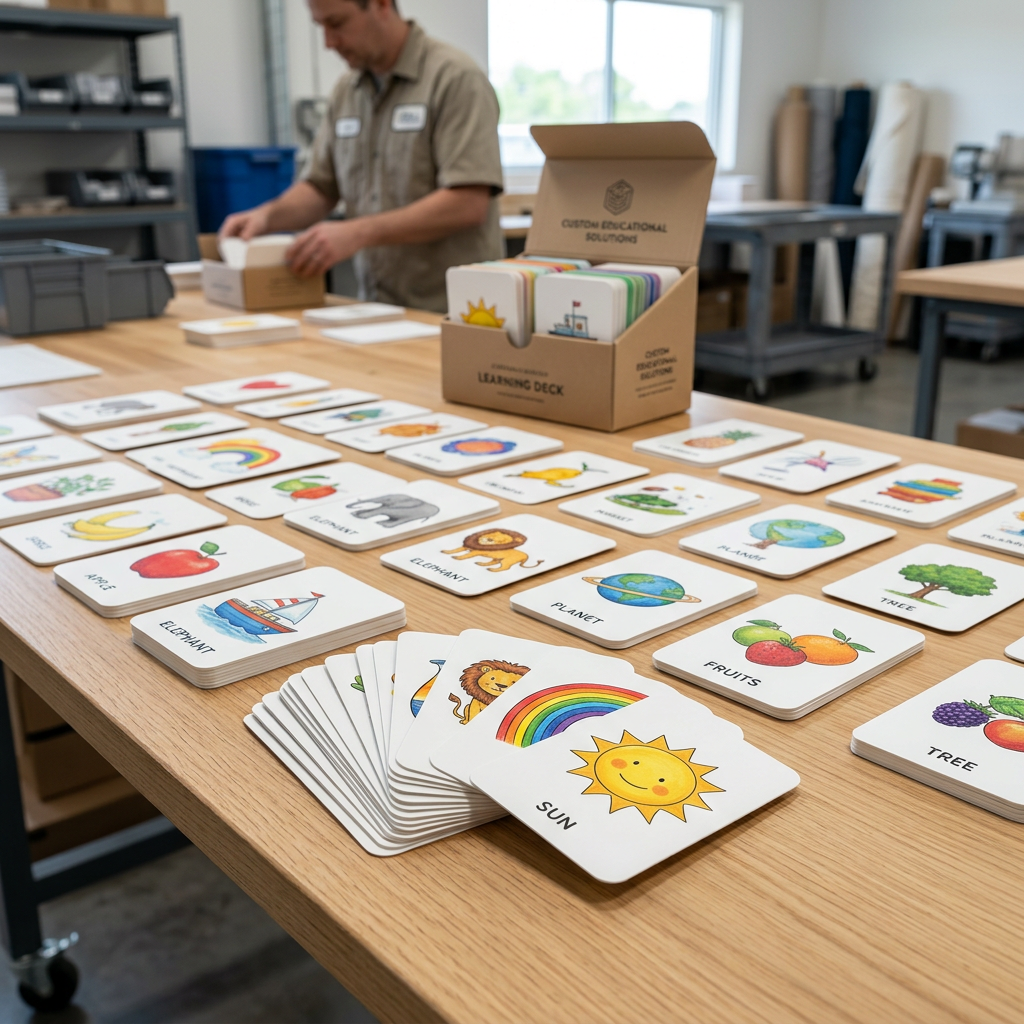
Table of Contents
- Why Custom Flash Card Printing Matters for Education
- Materials and Card Construction
- Choosing Flash Card Sizes and Layouts
- Printing, Finishes, and Practical Details
- The Custom Flash Card Production Process
- Quality Control, Packaging, and Shipping
- How to Plan a Commercial Flash Card Order
- Conclusion: Build the Specification Before Production
Custom flash card printing helps publishers, schools, language-learning brands, and educational game companies create durable, clearly printed learning tools. This guide explains how to select materials, sizes, finishes, production methods, packaging, and quality controls for a reliable B2B order.
Why Custom Flash Card Printing Matters for Education
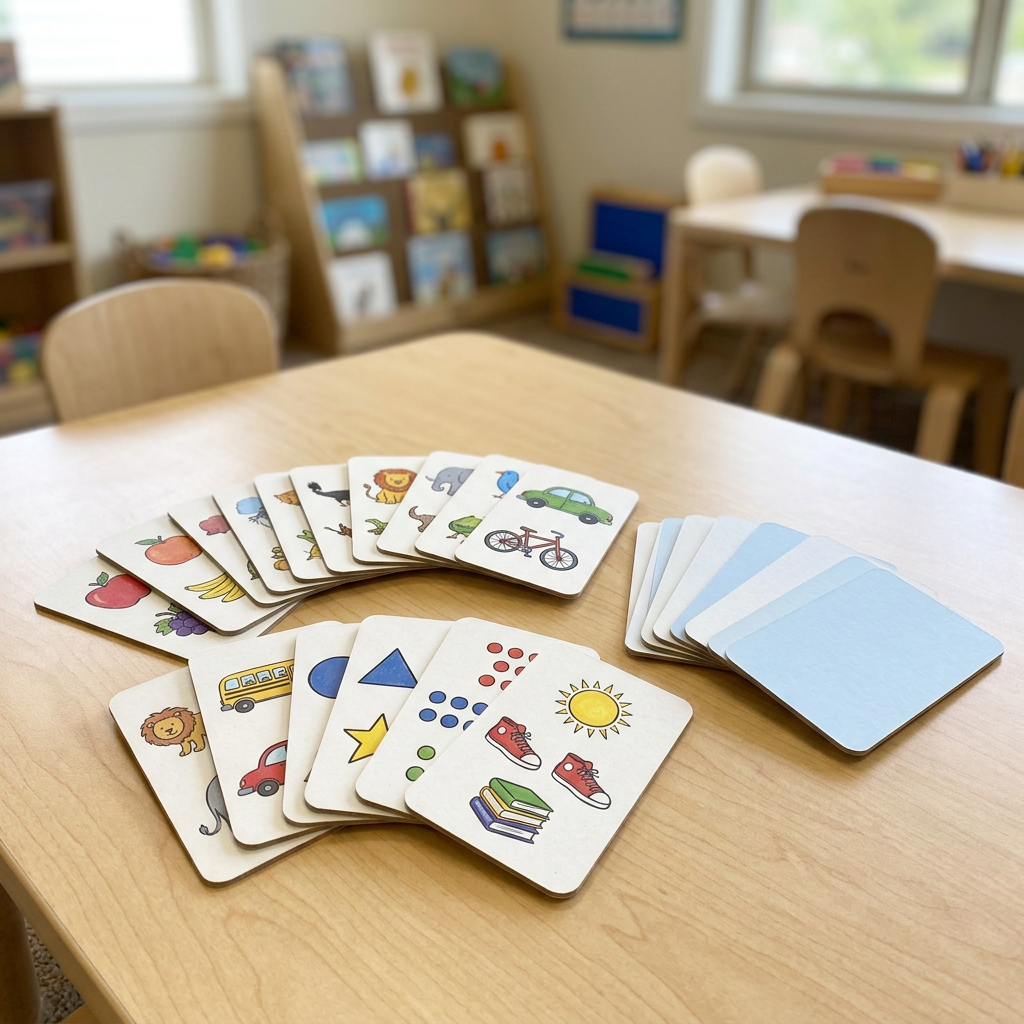
Custom flash card printing gives educational publishers, schools, tutoring companies, language-learning brands, and game developers control over the content, dimensions, materials, and presentation of their learning cards. Instead of adapting a standard retail product, buyers can create cards for a specific age group, subject, curriculum, language, or teaching method.
A commercial flash card set normally includes a coordinated front and back design, a defined card count, consistent cutting, and packaging that keeps the set organized. The best specification depends on how the cards will be used. Cards for young children may need rounded corners and a wipeable surface, while vocabulary or examination cards may prioritize compact sizing, high text readability, and efficient packaging.
For a broader overview of specifications, quotation stages, samples, quality controls, and international shipping, review this custom card printing manufacturer guide.
- Publishers: develop branded learning products and curriculum supplements.
- Schools and institutions: order classroom resources with subject-specific content.
- Educational brands: create retail-ready flash card sets for language, mathematics, science, or early learning.
- Game and activity companies: combine learning content with quizzes, prompts, or collectible formats.
Specifications, MOQ, price, and lead time depend on the card size, material, finish, quantity, artwork complexity, packaging, and shipping requirements.
Materials and Card Construction
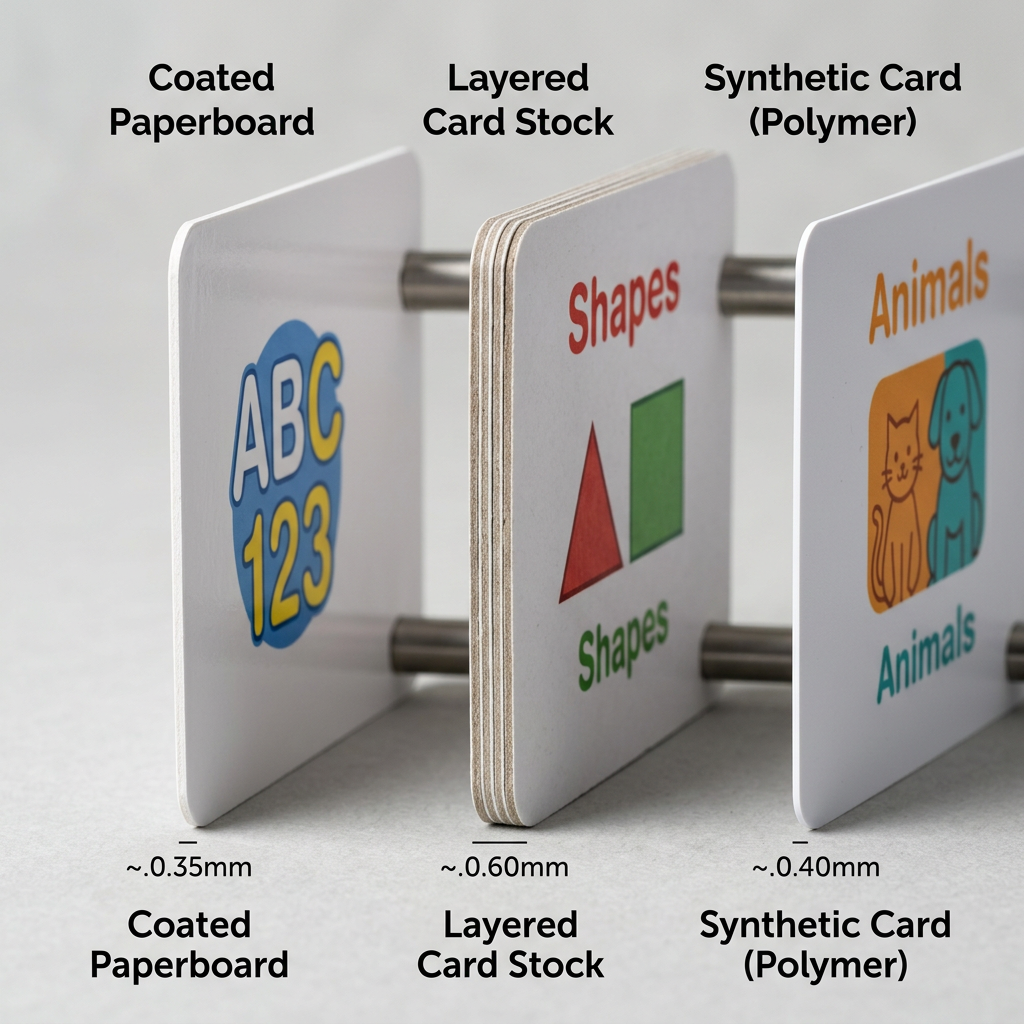
Card material is the substrate that receives the printed artwork. It affects stiffness, opacity, surface feel, fold resistance, and the perceived quality of the finished set. A material should be selected according to the expected handling frequency, age of the user, storage conditions, and target budget.
Paperboard and coated card stock
Paperboard is a common choice for educational cards because it supports sharp text, colorful illustrations, and efficient sheet production. Coated card stock provides a smoother surface for detailed images, while an uncoated surface can offer a more natural writing feel. The exact thickness or grammage should be confirmed with the manufacturer because the practical stiffness also depends on board construction and coating.
Layered construction
Many durable cards use a layered structure with a printed outer surface and a central core. An opaque core can help prevent the front artwork from showing through to the back. This is important when one side contains an answer, translation, or solution that should not be visible during study.
Synthetic or specialty materials
Synthetic card materials may be considered when increased moisture resistance or repeated handling is important. They can change the feel, printing process, finishing options, and cost, so they should be assessed through a physical sample rather than selected only from a specification sheet.
When preparing files, define the trim size, bleed, safe area, color mode, image resolution, and font treatment. These details are explained in the guide to custom card printing artwork requirements.
Choosing Flash Card Sizes and Layouts
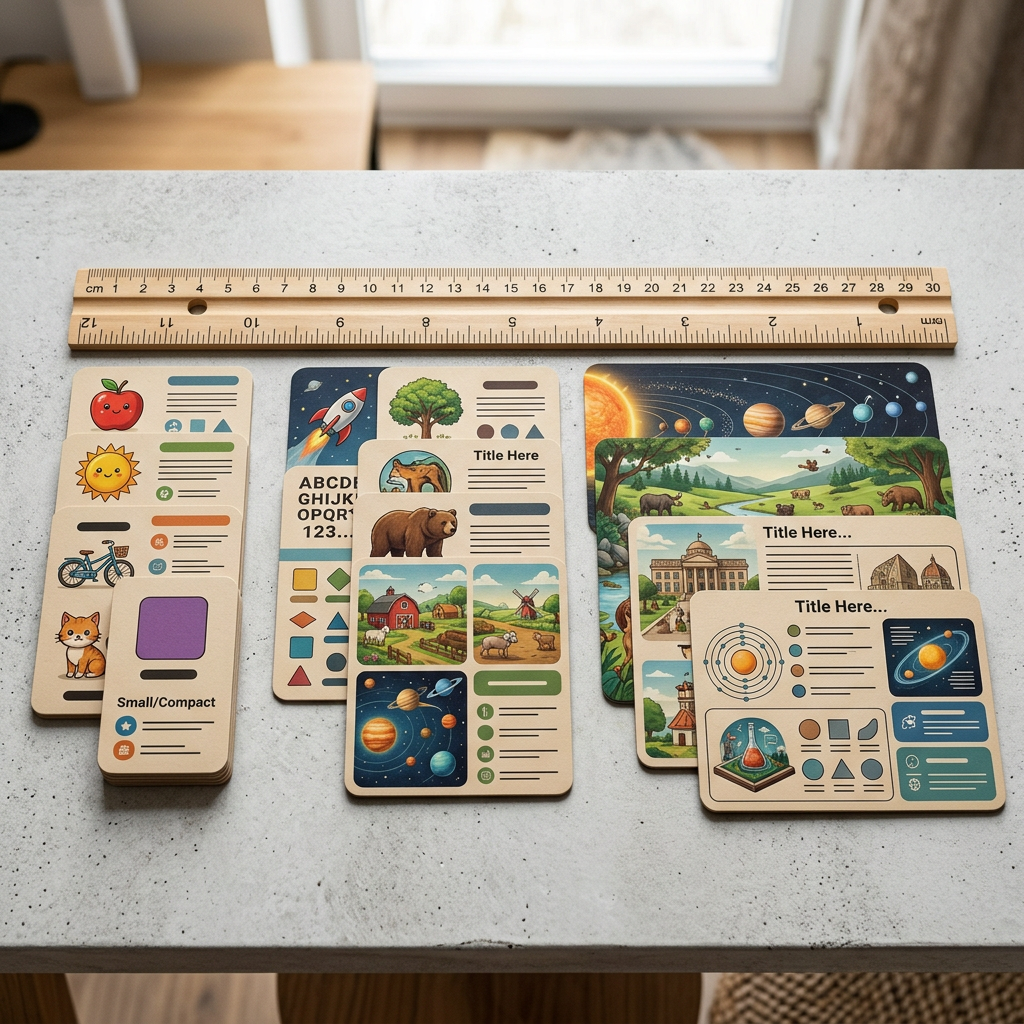
Flash card size should support the content without making the set difficult to carry, shuffle, store, or use in a classroom. There is no single best dimension for every educational application. The correct size is a balance between readability, portability, printing efficiency, and the number of cards in each package.
Common size considerations
- Compact cards: useful for vocabulary, definitions, formulas, and portable study sets.
- Medium cards: suitable for general question-and-answer content, phonics, and classroom activities.
- Large cards: helpful for picture recognition, teacher-led demonstrations, and content that requires larger type.
- Custom shapes: possible for themed products, but unusual shapes can affect cutting, stacking, packaging, and shipping efficiency.
For children, consider whether the card can be held comfortably and whether the corners should be rounded. For text-heavy content, establish a minimum practical font size and leave enough space around the trim area. For image-led cards, check that illustrations remain legible at the finished size rather than only on a monitor.
Also define the card orientation, front-to-back alignment, numbering system, and whether all cards share one layout or use several templates. A clear layout specification reduces errors during prepress and makes proofreading easier.
Buyers comparing educational formats can also review custom educational flash card printing options for subject-specific card sets.
Printing, Finishes, and Practical Details
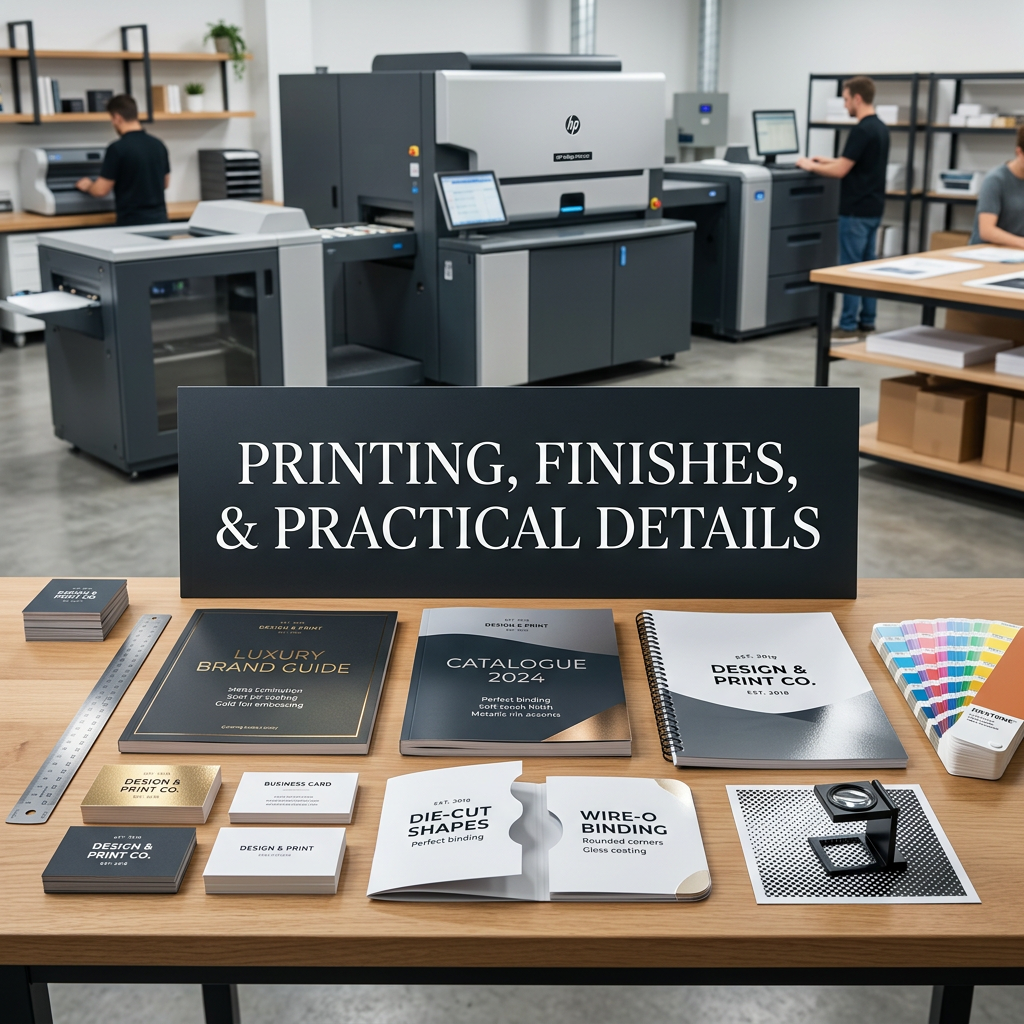
Printing establishes the visual hierarchy of a learning product, while finishing protects the surface and influences how the cards feel in use. Educational cards often require accurate small text, consistent color across a set, and enough contrast between the question and answer sides.
Surface finishes
A matte finish can reduce glare and create a softer, less reflective surface for reading. A gloss finish can emphasize color and provide a brighter appearance. Lamination may add surface protection, but the final feel, flexibility, and edge behavior should be confirmed with a sample. Spot effects or special coatings can highlight logos or illustrations, although they may add production complexity.
Corner and edge treatment
Rounded corners can improve handling and reduce sharp edges, especially for products used by children. Standard square corners may be suitable for simple study cards and can support straightforward packing. If the cards will be frequently shuffled, corner consistency and clean cutting are important quality points.
Color and text control
Use a consistent color profile and approved artwork files. Check small type, reversed text, icons, answer keys, and symbols at actual size. If color matching is important for a brand or curriculum system, identify the reference standard during the quotation and proofing stage. Final results can vary with material and finish, so a digital proof and physical sample serve different purposes.
Read more about the difference between a digital proof and a physical custom card printing sample before approving production.
The Custom Flash Card Production Process

A structured production process reduces specification gaps and gives buyers clear approval points. A typical project moves through the following stages:
- Requirement review: confirm card purpose, dimensions, quantity, card count, material, finish, packaging, destination, and artwork status.
- Artwork review: inspect bleed, trim, safe areas, resolution, color setup, fonts, numbering, and front-to-back correspondence.
- Quotation and specification confirmation: align the technical details before placing the order. MOQ, price, and lead time depend on the confirmed project.
- Proofing or sampling: use a proof to verify layout and a physical sample to assess material, color, finish, cutting, and packaging fit.
- Prepress preparation: prepare approved files for printing and confirm any final corrections.
- Bulk printing and converting: print sheets, apply coatings or lamination when specified, cut cards, and round corners if required.
- Inspection and packing: check the finished cards, assemble sets, pack them according to the approved method, and prepare export cartons.
For complex educational sets, buyers should label files clearly and maintain a master card list. This helps the factory identify missing cards, duplicated content, incorrect sequence, or inconsistent backs before bulk production.
Quality Control, Packaging, and Shipping

Quality control should cover more than print appearance. A commercial inspection plan can review artwork version, card count, dimensions, material, color consistency, surface finish, corner cutting, collation, and packaging condition.
Seven-stage quality focus
A practical factory quality system may include checks during artwork review, prepress, material preparation, printing, finishing, cutting, and final packing. The exact inspection method depends on the project, but each stage should have an approval or verification point. Buyers should communicate which characteristics are critical, such as answer-side privacy, exact card order, child-safe handling, or barcode placement.
Packaging choices
Packaging protects the cards and communicates how the product is sold. Options may include a tuck box, rigid box, clear bag, paper band, drawer box, or custom educational kit packaging. The right option depends on card count, retail presentation, classroom distribution, protection needs, and target shipping volume. Inner packing should keep cards aligned and prevent movement that may damage corners.
Export packing and shipping
Export cartons should be sized and protected for international handling without creating unnecessary empty space. The shipping plan should account for carton dimensions, gross weight, destination, delivery terms, and whether the order is sent by sea, air, courier, or another method. Final shipping arrangements and timing depend on the order and destination; buyers should confirm these details before production.
How to Plan a Commercial Flash Card Order
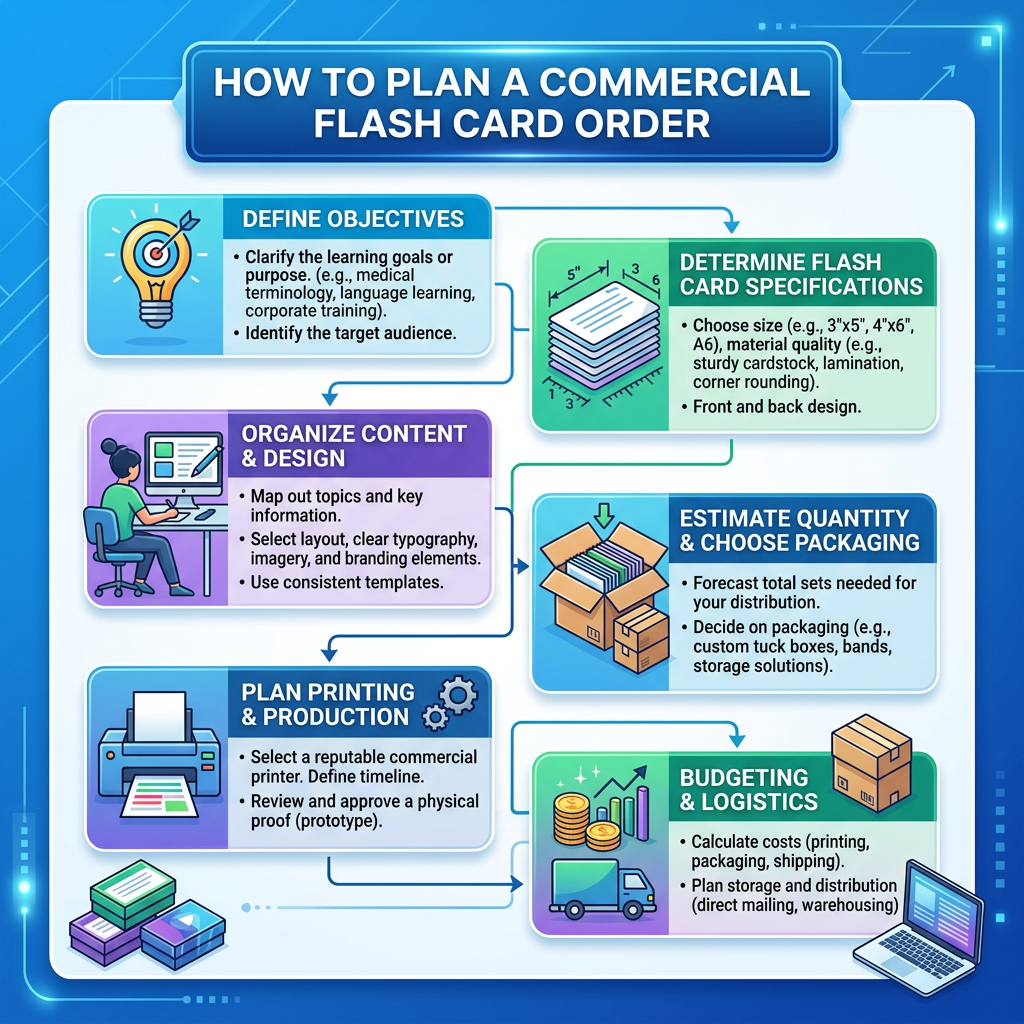
Before requesting a quotation, prepare a concise product brief. This allows the manufacturer to evaluate the project accurately and reduces revisions after sampling.
- Card type and educational purpose
- Finished size and orientation
- Number of cards per set
- Single-sided or double-sided printing
- Material, thickness preference, and opacity requirement
- Finish, lamination, and corner style
- Artwork format, number of designs, and variable data
- Quantity, estimated reorder plan, and target markets
- Packaging format, labeling, and carton requirements
- Delivery destination and preferred shipping method
MOQ is the minimum order quantity accepted for a production run. It can affect setup efficiency, unit cost, inventory exposure, and the amount of capital required for the first order. A smaller initial quantity may reduce inventory risk, while a larger planned run may improve production efficiency. The appropriate MOQ depends on the product specification and factory arrangement; it should be confirmed in the quotation.
For buyers developing a first launch, this guide to card printing MOQ planning explains the commercial factors to consider.
Conclusion: Build the Specification Before Production
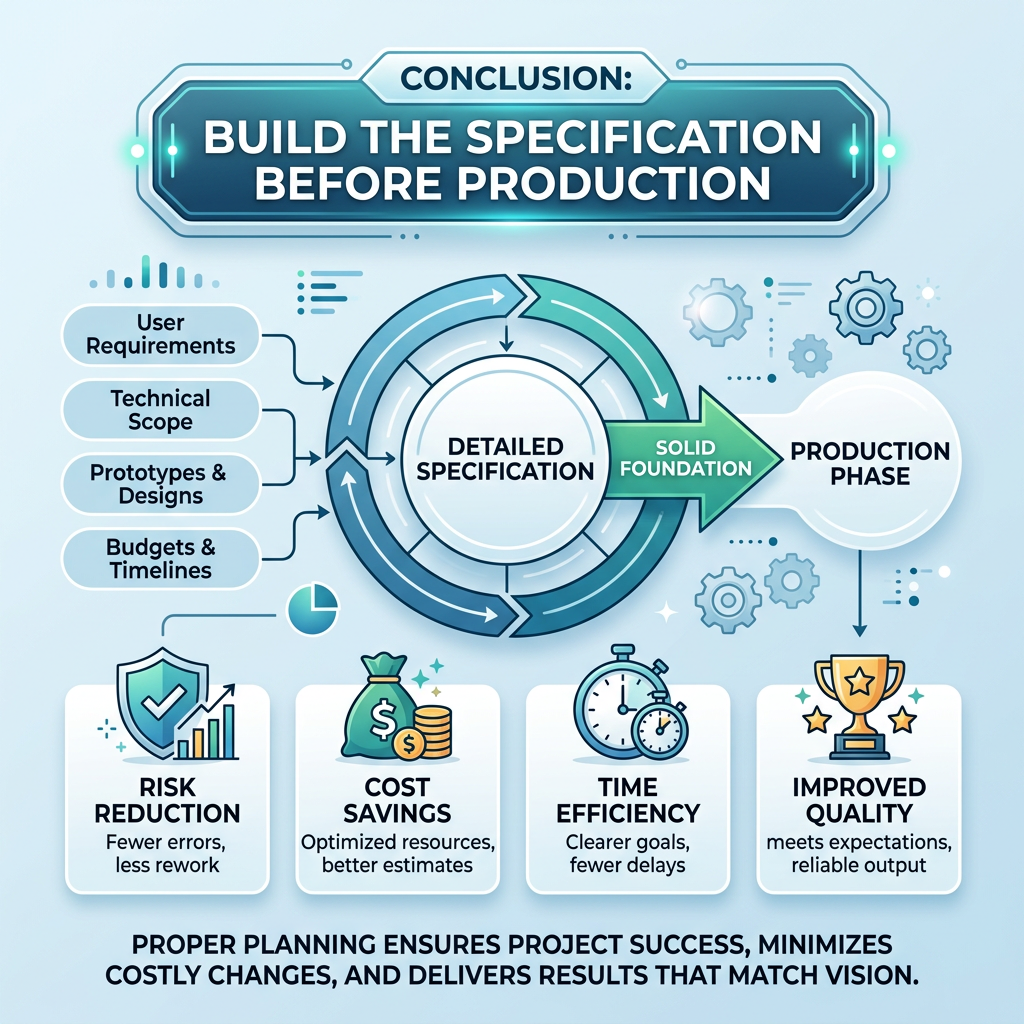
Custom flash card printing works best when educational goals are translated into a complete manufacturing specification. Material determines the card’s structure and handling feel; size affects readability and portability; finish influences glare and protection; and packaging controls storage, presentation, and shipping efficiency.
For a dependable B2B project, approve the artwork carefully, compare proof and sample requirements, confirm MOQ and commercial terms, and define quality checks before bulk production. Specifications, MOQ, price, and lead time depend on the project requirements, so a detailed brief is the best starting point for an accurate recommendation.
Request a Custom Flash Card Printing Quote
Share your card type, finished size, material preference, quantity, finish, card count, and packaging requirements with YBJ Cards Printing. Our team can review the specification, advise on sampling and production details, and prepare a tailored recommendation and quote for your market.
Tags
Keep Reading
Related Articles
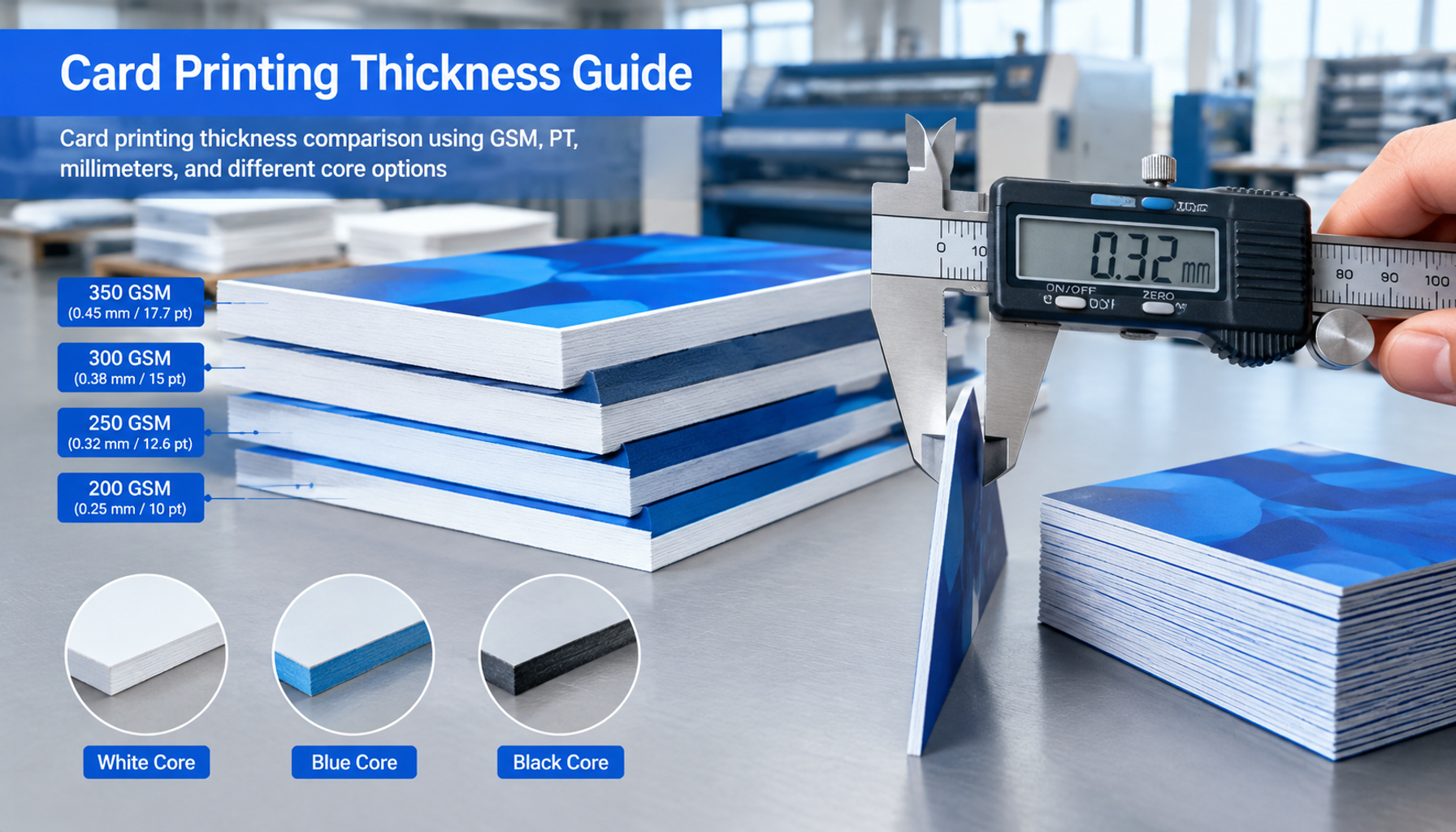
Card Printing Thickness: GSM, PT, and Core Selection Guide
A practical B2B guide to comparing GSM, PT, millimeters, paperboard cores, and plastic constructions when specifying custom cards.
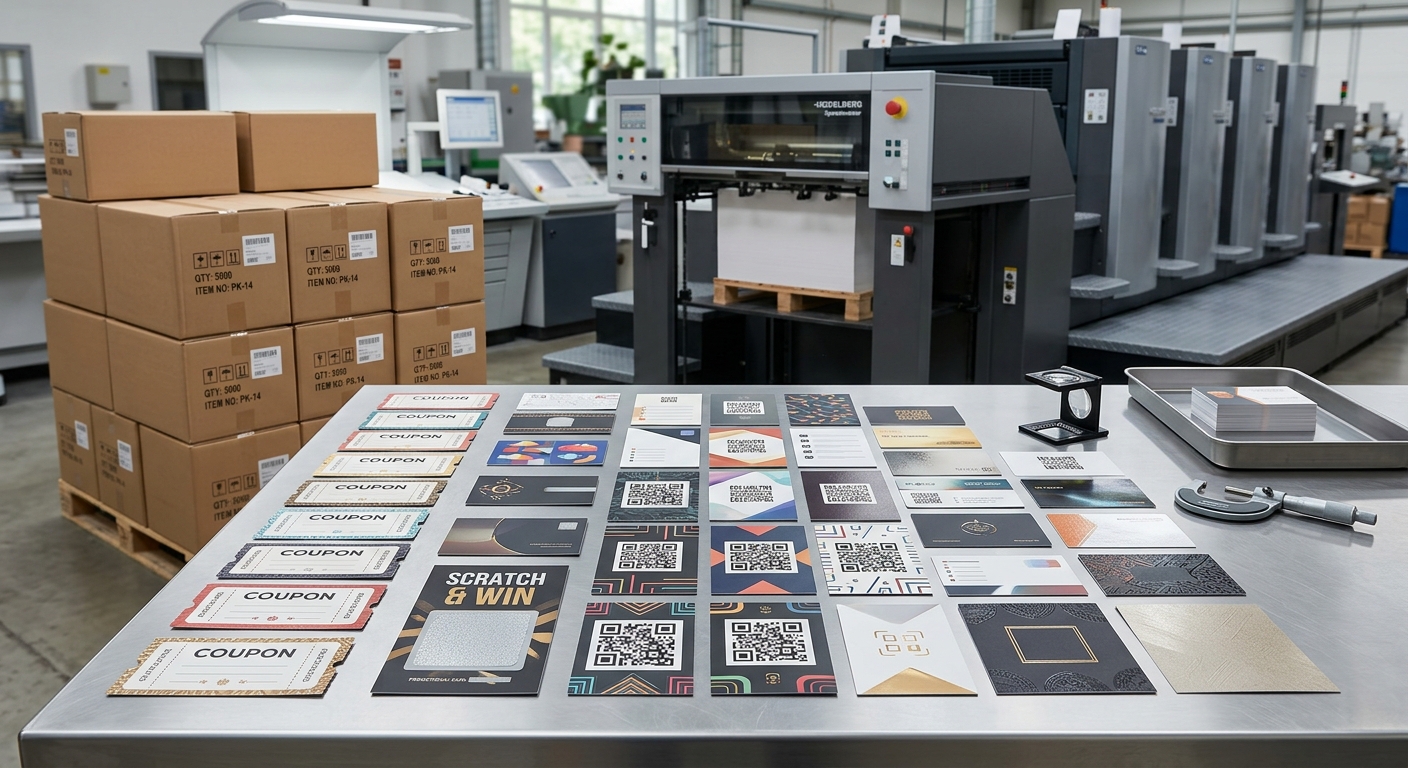
Custom Promotional Card Printing for Marketing Campaigns: Formats and Production Tips
Custom promotional card printing helps brands deliver compact, measurable marketing materials for launches, retail promotions, events, loyalty programs, and direct-mail campaigns. The best result depends on matching the card format, material, finish, artwork, quantity, and packaging to the campaign objective.

Custom Greeting Card Printing Wholesale: Sizes, Finishes, and Packaging Guide
Custom greeting card printing wholesale requires coordinated decisions about card size, paper stock, folding, finishes, envelopes, packaging, and shipping. This guide helps publishers, retailers, agencies, and gift brands prepare a practical production brief and reduce avoidable sampling or packing issues.
Fast Quote Support
Ready to Start Your Custom Card Project?
Send us your product type, size, material, quantity, and packaging requirements. Our team will reply within 24 hours with production suggestions, sampling options, and a competitive quote. No setup fees.