
Custom Card Printing
Custom Membership Card Printing: Paper, PVC, and Smart Card Options Compared
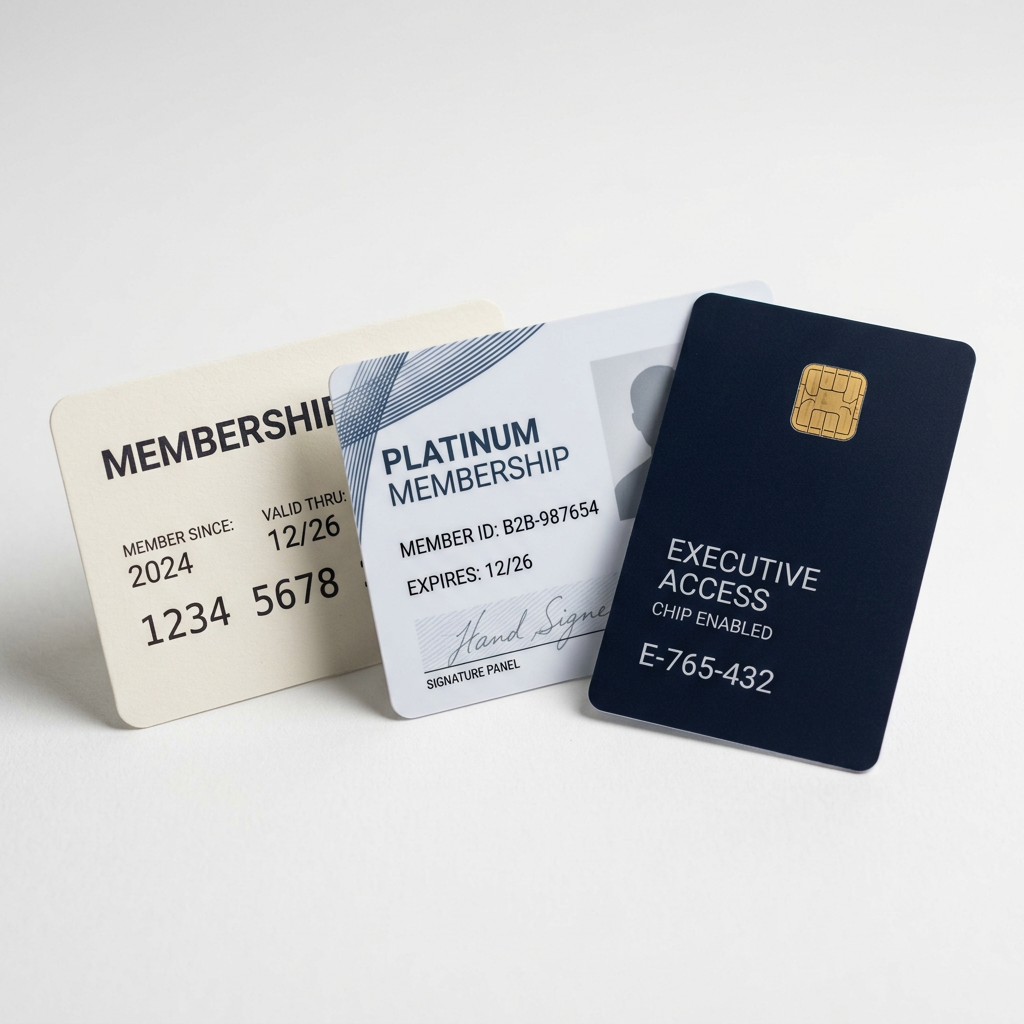
Table of Contents
- Which Membership Card Material Should You Choose?
- Paper Membership Cards
- PVC Membership Cards
- Smart Membership Cards
- Specifications to Confirm Before Ordering
- Sampling, Production, and Quality Control
- Packaging and International Shipping
- Making a Practical Card Selection
The best custom membership card material depends on how members will use the card, how long it must last, whether it needs electronic functions, and how much customization the program requires. Paper cards suit short-term or low-cost promotions, PVC cards provide durable everyday identification, and smart cards support access, payment, or digital data applications. This guide compares the three options and explains how to plan specifications, sampling, production, quality control, packaging, and shipping.
Which Membership Card Material Should You Choose?
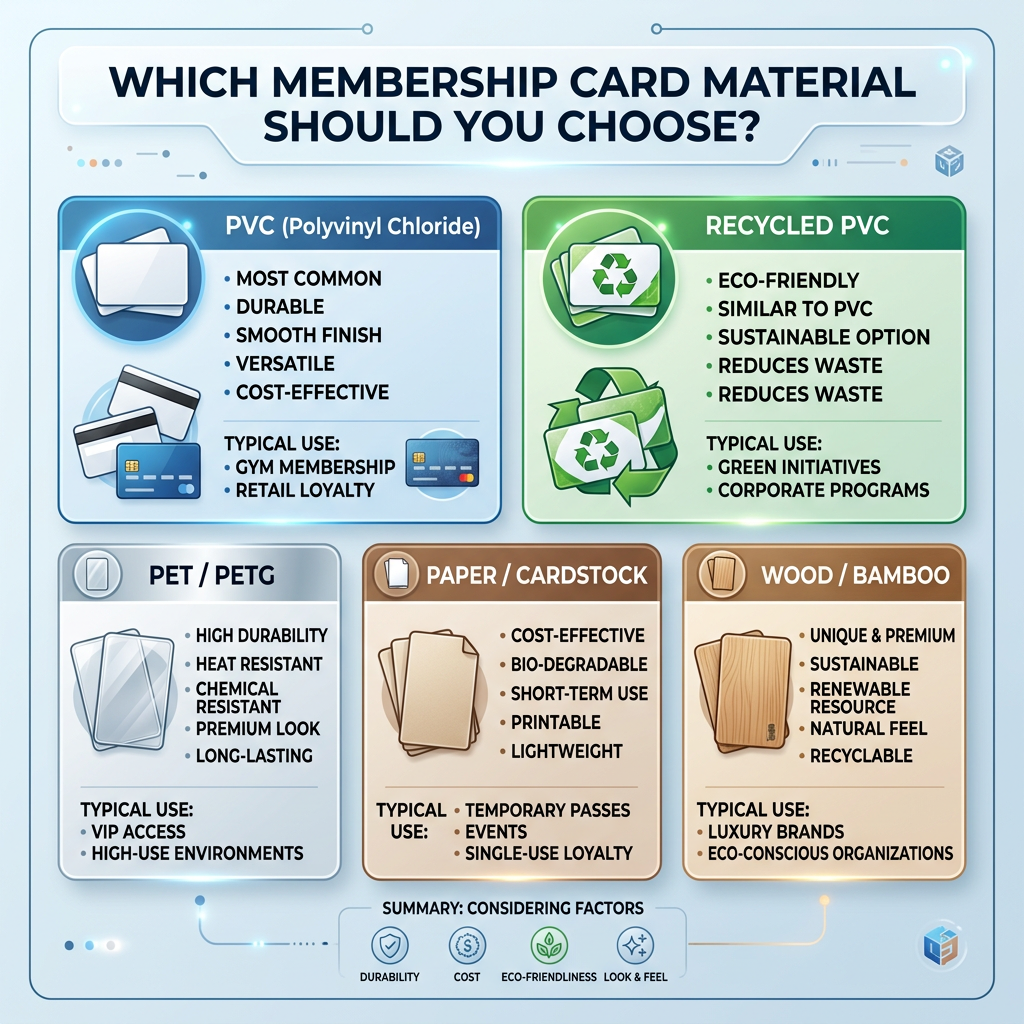
For most programs, custom membership card printing should begin with the use case rather than the artwork. Choose paper when the card is intended for a short campaign, event, subscription period, or low-cost promotion. Choose PVC when members will carry and reuse the card for identification, rewards, access, or customer recognition. Choose a smart card when the product needs an embedded chip, contactless function, magnetic stripe, or another electronic data feature.
The correct option also depends on expected service life, storage conditions, personalization, security requirements, budget, and order volume. Specifications, MOQ, price, and lead time depend on the project requirements, selected materials, artwork, finishing, and production method.
- Paper: lightweight, economical, and suitable for limited-use programs.
- PVC: durable, water-resistant, and suitable for frequent handling.
- Smart: functional and technology-enabled, but requiring compatible systems and additional coordination.
Paper Membership Cards
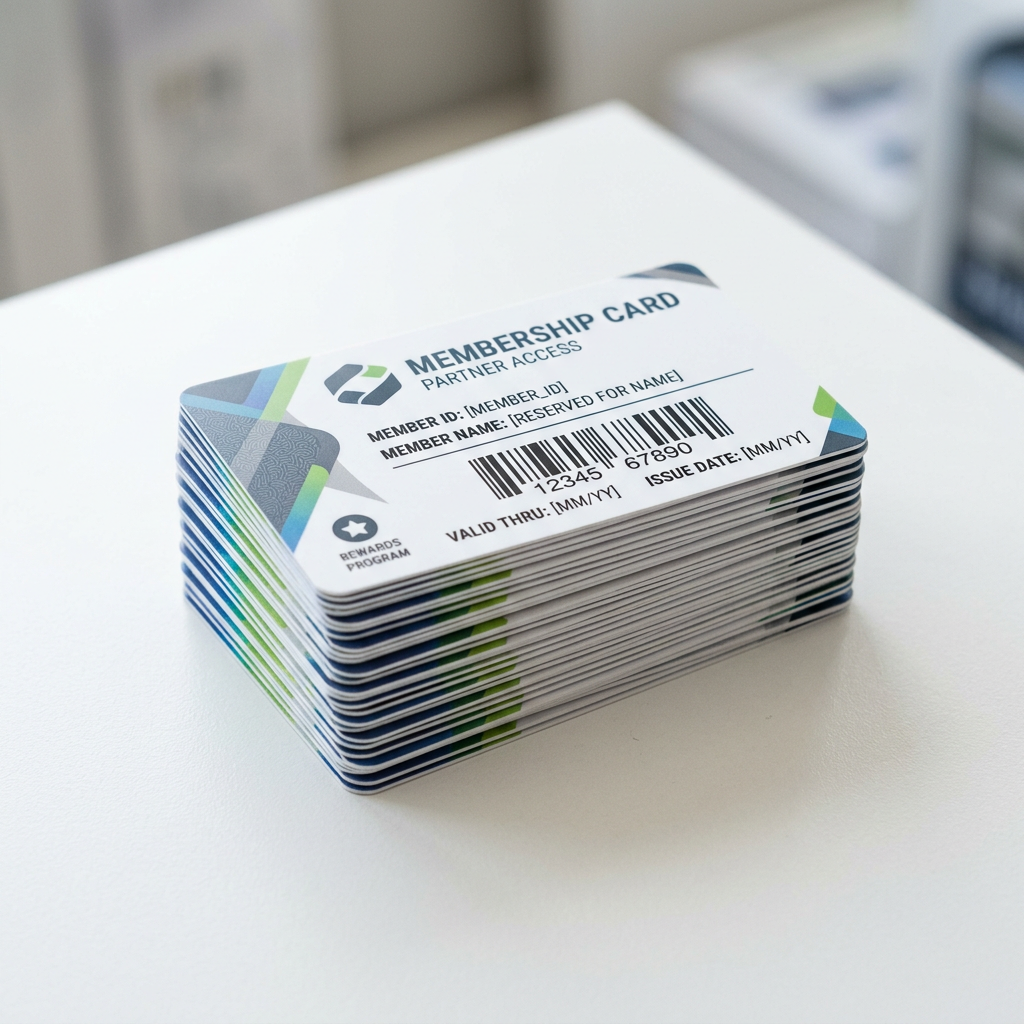
Paper membership cards are printed cards made from coated, uncoated, or other suitable paper stocks. They are often selected for programs where the card is used for a defined period or where minimizing material and shipping weight is important.
Where paper works well
- Event memberships and temporary passes
- Promotional clubs and introductory loyalty programs
- Subscription inserts or welcome kits
- Programs where the card is replaced regularly
Paper supports high-quality color printing, variable text, barcodes, QR codes, numbering, and selected surface finishes. It can also be designed to match brochures, packaging, or other printed materials. However, paper generally has lower resistance to moisture, bending, abrasion, and repeated wallet use than plastic.
Before choosing paper, confirm whether members will scan the card, write on it, or carry it daily. A thicker stock or protective coating may improve handling performance, but it cannot make paper equivalent to a durable PVC card. For a short-term program, this trade-off may be appropriate and can reduce unnecessary material use.
PVC Membership Cards
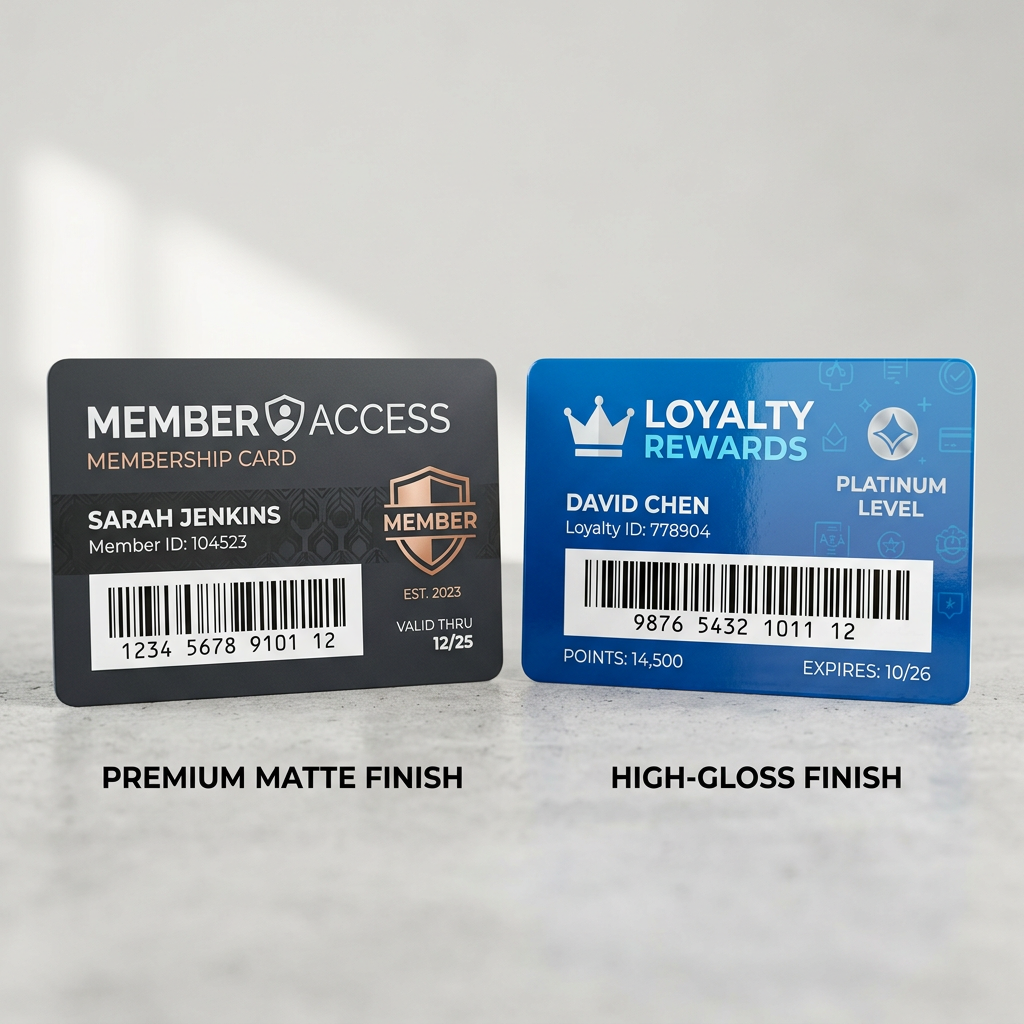
PVC membership cards are plastic cards manufactured from polyvinyl chloride layers that are printed, laminated, and finished for regular handling. PVC is a common choice for clubs, gyms, retail loyalty programs, hospitality groups, schools, associations, and access-related applications.
Advantages of PVC
- Better resistance to moisture and everyday handling than paper
- Professional appearance for long-term member programs
- Compatibility with barcodes, QR codes, signatures, numbering, and personalization
- Options for gloss, matte, frosted, metallic, transparent, or other selected effects
- Suitable for standard wallet-size formats and custom dimensions
Durability depends on the card construction, thickness, lamination, print coverage, surface finish, and use environment. A card used outdoors or in a high-contact setting may need a more robust specification than one kept in a wallet.
Buyers evaluating customized plastic membership cards should confirm whether the program needs a signature panel, sequential numbering, a barcode, a QR code, a punched hole, or variable member data. These details affect artwork, data handling, production setup, and inspection.
Smart Membership Cards
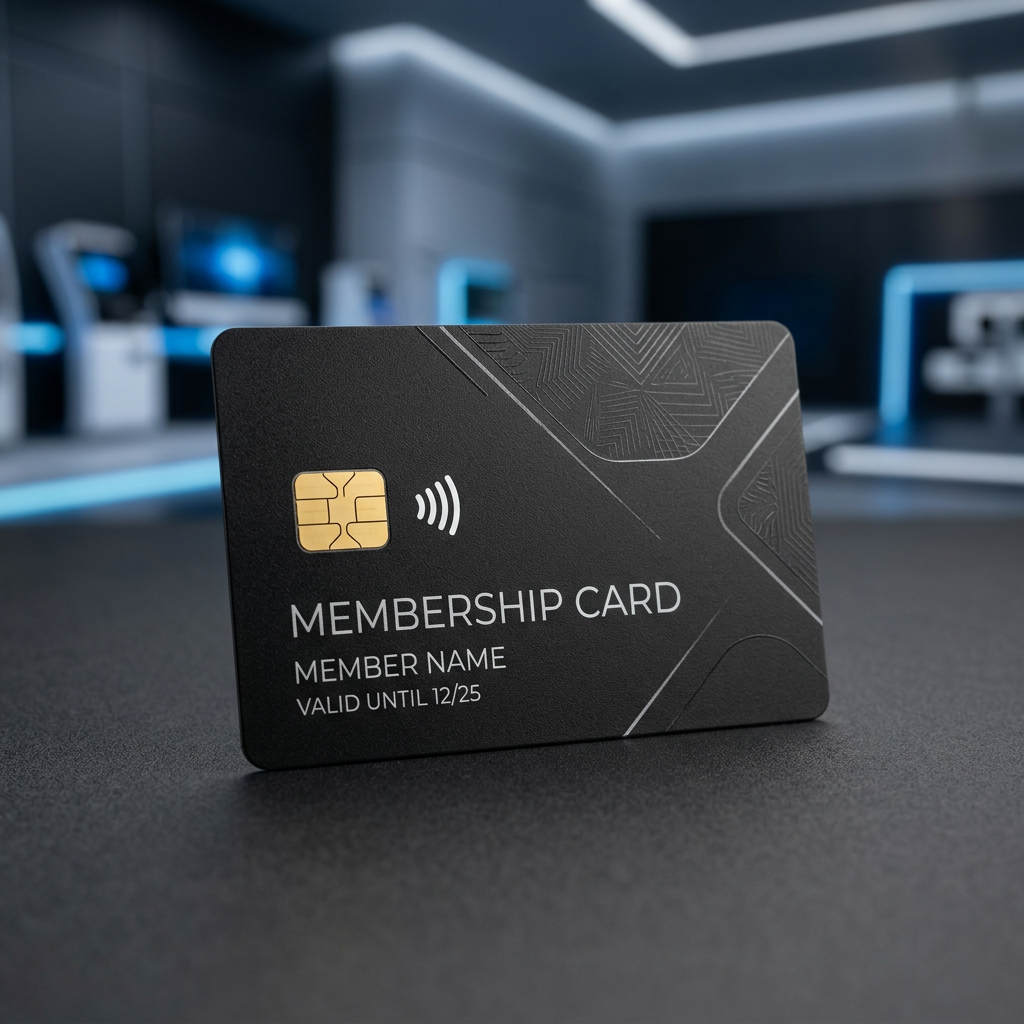
A smart membership card is a card containing an electronic component, such as a contact or contactless chip, that can interact with a compatible reader or system. Depending on the application, a smart card may support access control, identity verification, stored data, loyalty identification, payment-related functions, or other system-managed operations.
Smart cards are not simply PVC cards with decorative printing. The buyer must define the chip technology, operating frequency where relevant, data requirements, encoding process, reader compatibility, security model, and personalization workflow. The card body, antenna, chip placement, printing, and testing must be coordinated.
When smart cards are appropriate
Consider a smart card when the membership program needs controlled access, machine-readable identity, contactless interaction, or integration with an existing software and reader environment. If the program only needs a printed member number or QR code, a standard paper or PVC card may be more practical.
Smart cards can add functionality, but they also introduce system dependencies, data-security considerations, testing requirements, and potentially higher project complexity. Ask the manufacturer to confirm which functions are supported rather than assuming that every chip type provides the same result.
Specifications to Confirm Before Ordering
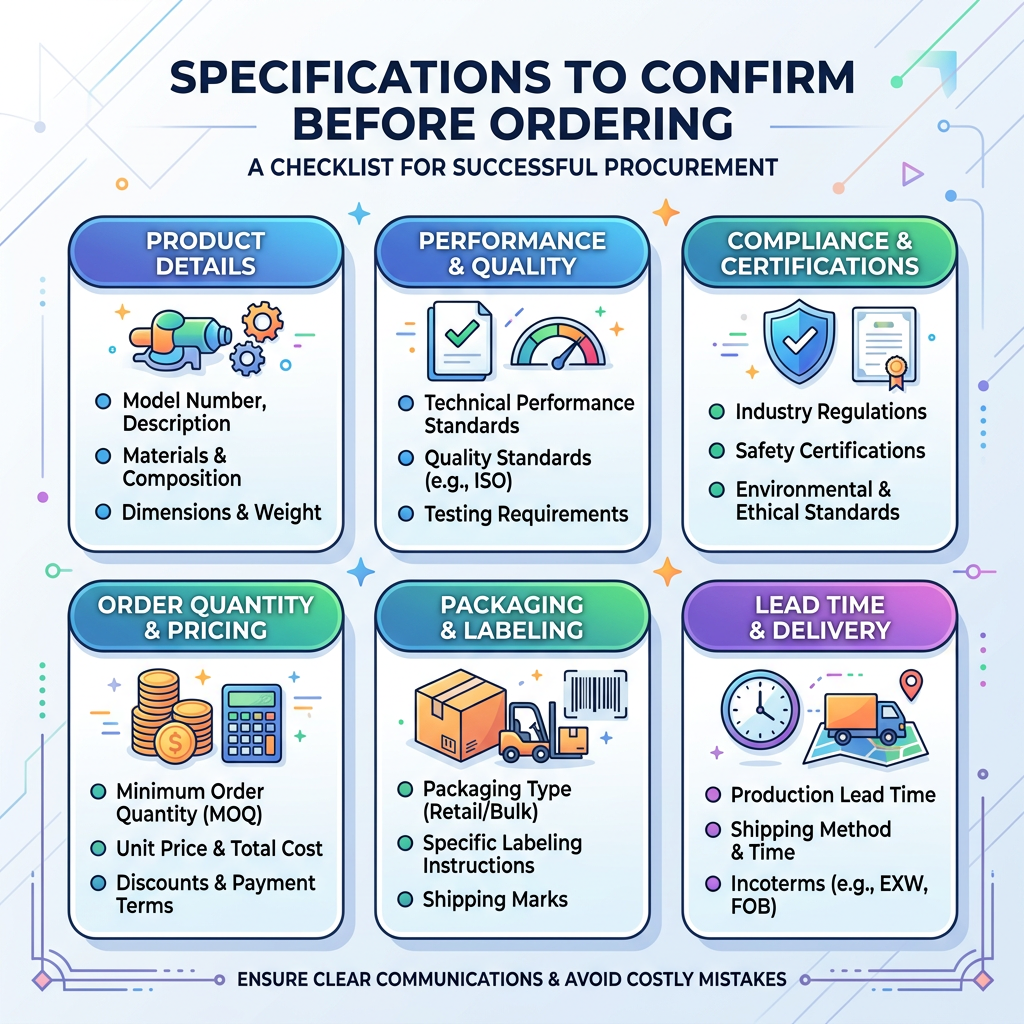
A clear specification prevents avoidable changes after quotation or sampling. Share the following information with the card manufacturer:
- Card type and purpose: paper, PVC, or smart; membership, loyalty, access, event, or identification.
- Size and thickness: standard wallet format or a custom size, with the required stock or plastic thickness.
- Artwork: front and back design, print colors, bleed, trim, safe area, images, fonts, and variable data.
- Data features: numbering, barcode, QR code, magnetic stripe, signature panel, chip, embossing, or personalization.
- Finish: gloss, matte, soft-touch, spot effects, metallic details, or other approved treatments.
- Quantity and packing: total quantity, sets or sorting requirements, individual sleeves, boxes, cartons, and labels.
- Destination: delivery country, shipping address, import requirements, and preferred transport method.
Artwork should be reviewed before production. The guide to custom card printing artwork requirements can help your team prepare bleed, color, resolution, fonts, and file formats correctly.
Sampling, Production, and Quality Control
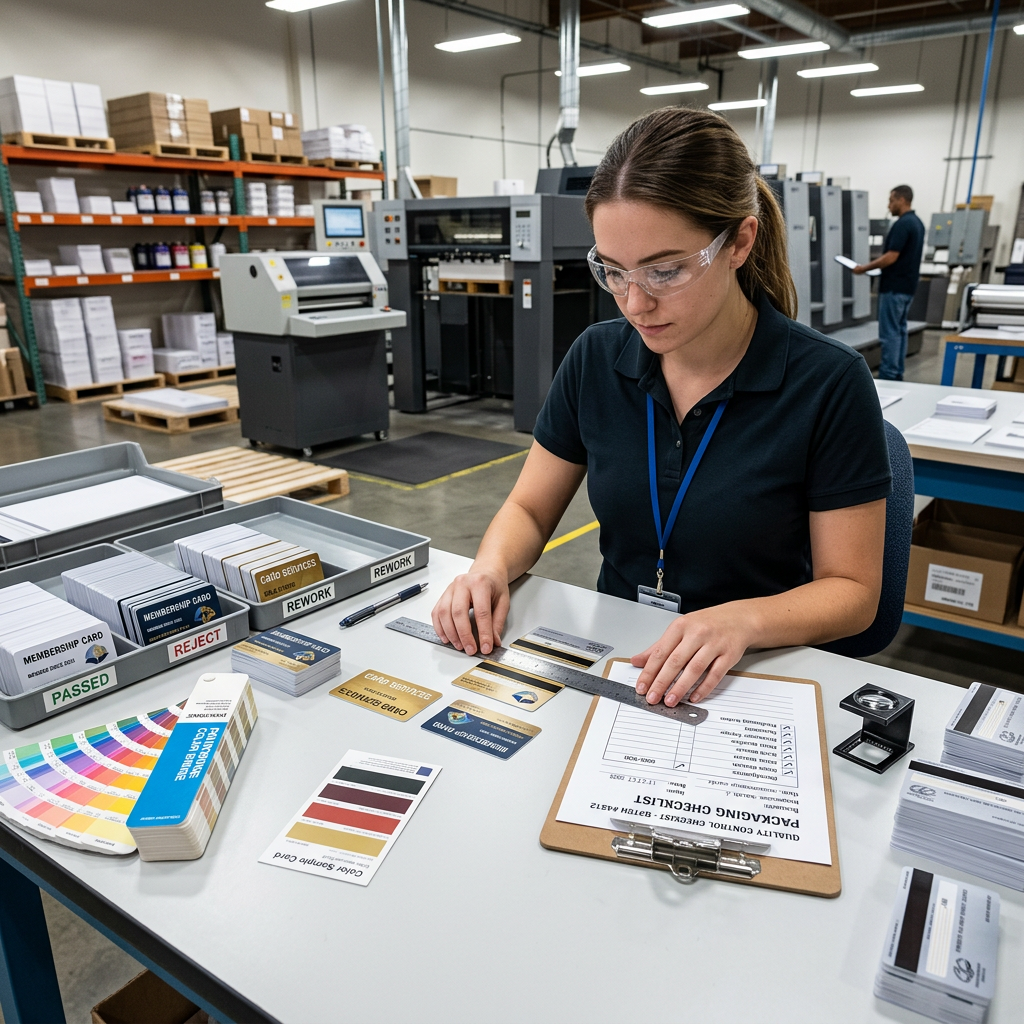
A professional custom membership card printing workflow normally moves from requirements review to artwork checking, quotation, proofing or sampling, approval, bulk production, inspection, packing, and shipment.
- Requirements review: Confirm material, size, quantity, finish, data features, packaging, and destination.
- Artwork review: Check dimensions, bleed, safe areas, colors, images, codes, and personalization data.
- Proof or sample: A digital proof confirms layout, while a physical sample helps evaluate the actual material, color, finish, thickness, and construction.
- Bulk production: The approved specification is transferred to printing, lamination, cutting, finishing, personalization, or chip-related processing as required.
- Quality control: Inspectors review appearance, dimensions, print registration, color consistency, surface defects, edge quality, data readability, and functional requirements when applicable.
- Export packing and shipment: Finished cards are counted, protected, packed into cartons, and prepared for international transport.
Sampling is especially useful when the finish, plastic construction, color match, or smart-card function is important. Read sample versus proof guidance to understand what each approval method can verify. For larger orders, discuss the factory’s manufacturer workflow for B2B card projects, including quality checks and export coordination.
Packaging and International Shipping

Packaging should protect cards from bending, scratching, moisture, dust, and carton movement. Common planning points include inner bags, counted bundles, separators, retail-ready boxes, master cartons, carton labels, and palletization where required. Smart cards may need additional protection against pressure or bending, depending on their construction.
Tell the supplier whether cards must be sorted by store, member group, number range, language, or personalization batch. Correct sorting and clear carton marks can reduce receiving time for distributors and program operators.
For worldwide shipping, confirm the delivery address, trade terms, transport preference, carton dimensions, gross weight, documents, and responsibility for import clearance. Actual shipping time and charges depend on destination, season, carrier, order volume, and selected service. A factory with export-packing and international shipping experience can help coordinate these details without treating them as an afterthought.
Making a Practical Card Selection

The right material for custom membership card printing is the one that matches the program’s real operating conditions. Paper is a sensible choice for temporary, lightweight, and cost-conscious applications. PVC is the practical standard for durable cards carried and handled regularly. Smart cards are appropriate when electronic identification, access, contactless interaction, or system integration justifies the additional technical planning.
Before placing a bulk order, align the material, dimensions, artwork, variable data, finish, quantity, packaging, and destination with the intended member experience. Specifications, MOQ, price, and lead time depend on the complete project requirements. A sample or proof can reduce uncertainty before production, while documented inspection and export packing support a smoother delivery process.
Request a Custom Membership Card Printing Recommendation
Share your card type, size, material, quantity, finish, personalization or smart-card requirements, and packaging needs with YBJ Cards Printing. Our team can review the specification and prepare a tailored recommendation and quote for your project.
Tags
Keep Reading
Related Articles

Custom Oracle Card Printing for Wellness Brands: A Practical Production Guide
Custom oracle card printing requires more than attractive artwork. Wellness brands must coordinate card dimensions, stock, finishes, packaging, sampling, quality control, and export shipping before approving bulk production. This guide explains the main decisions and production steps for creating a reliable oracle card deck.

Custom Tarot Card Printing: Deck Specifications, Finishes, and Packaging
Custom tarot card printing requires more than artwork preparation. Buyers must coordinate deck size, card count, stock, finishes, packaging, sampling, quality control, and export shipping before approving bulk production. This guide explains the main decisions for publishers, game brands, retailers, spiritual product companies, and independent creators.
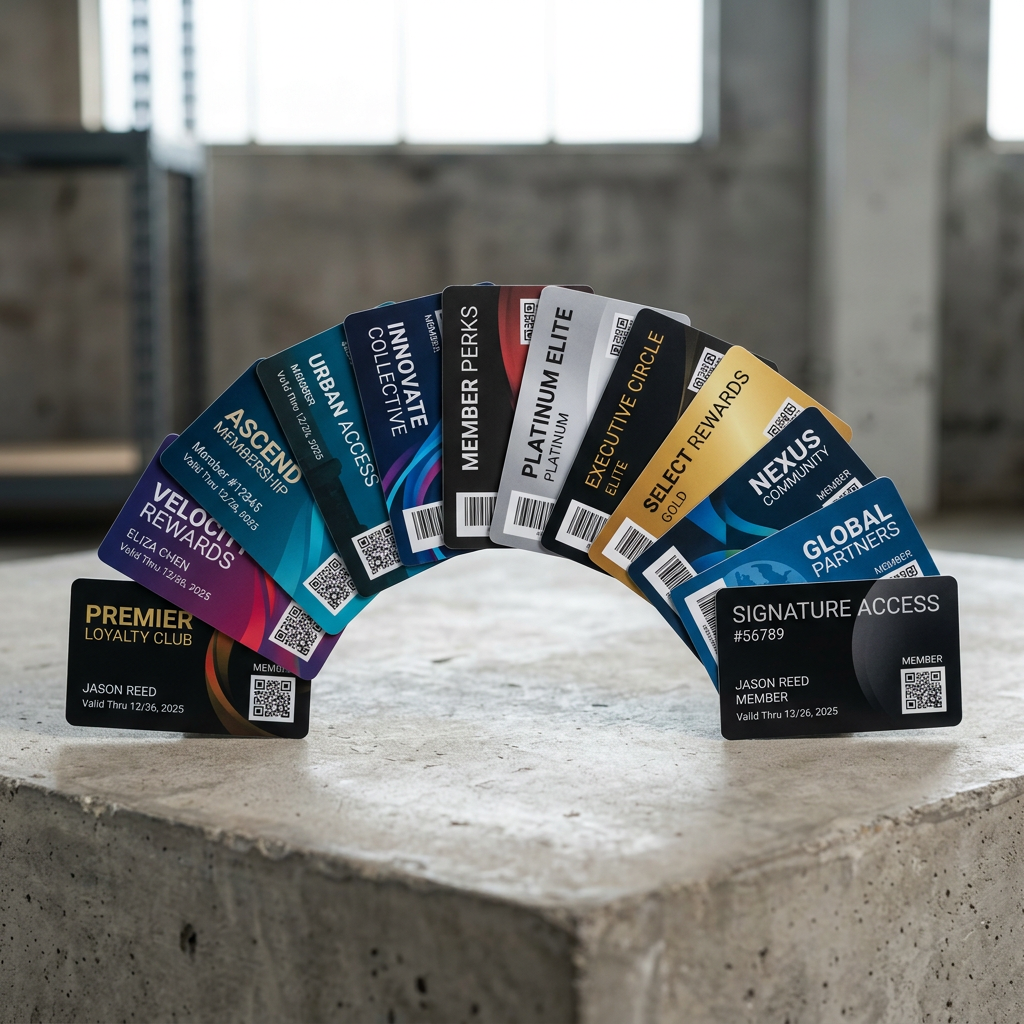
Custom PVC Card Printing for Membership and Loyalty Programs
Custom PVC card printing gives membership and loyalty programs a durable, professional card format for identification, access, rewards, and customer engagement. This guide explains how to plan specifications, artwork, personalization, sampling, production, quality control, packaging, and international shipping.
Fast Quote Support
Ready to Start Your Custom Card Project?
Send us your product type, size, material, quantity, and packaging requirements. Our team will reply within 24 hours with production suggestions, sampling options, and a competitive quote. No setup fees.